
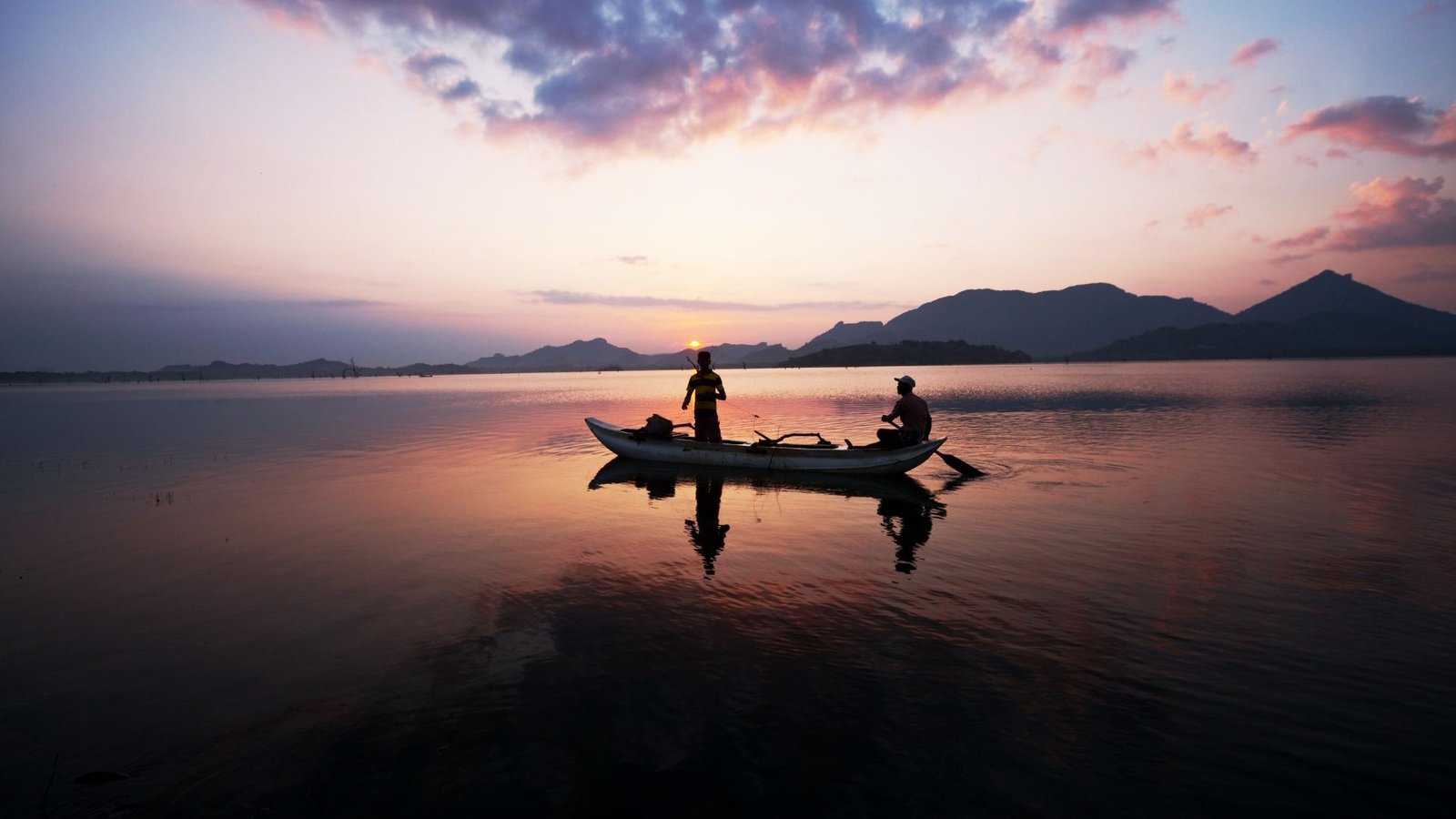
Sri Lanka’s coastline hides a world of giants beneath the waves. The warm waters around the island attract blue whales, sperm whales, humpbacks and playful pods of spinner dolphins. Watching these creatures in their natural environment is an unforgettable experience. This guide explains why Sri Lanka is such a good place for marine encounters, where and when to go, how to choose a responsible tour operator and what to expect on your trip.
Why Sri Lanka Is a Marine Mammal Hotspot
The island sits at the edge of the deep Indian Ocean trench where nutrient‑rich waters attract marine life. Blue whales, the largest animals ever to live on Earth, migrate near Sri Lanka to feed on tiny krill. Sperm whales follow similar routes, diving deep to hunt giant squid. Several species of dolphins, including spinner, bottlenose and Risso’s dolphins, ride the waves beside boats. Because Sri Lanka has two monsoon seasons that affect the seas differently around the island, there is almost always a coast with calm water suitable for tours. This variety of conditions makes it possible to watch whales and dolphins for much of the year.
Top Whale Watching Locations
Mirissa
Located on the south coast near Matara, Mirissa is the most popular whale watching base in Sri Lanka. The town’s long sandy beach offers an easy jump‑off point for boats that head out into the Indian Ocean early each morning. From November to April the waters off Mirissa are calm and clear, making it easier to spot marine life. Blue whales are often the main attraction; their 30‑metre bodies and plume‑like blows can be seen from a distance. Sperm whales, Bryde’s whales and occasional killer whales also pass through. Large pods of spinner and striped dolphins frequently ride the bow waves of tour boats.
Many local operators offer half‑day tours starting around sunrise. Boats head about an hour offshore to deeper waters. Trips usually last three to five hours depending on sightings. Most operators provide life jackets and a light breakfast of fruit or pastries. Tourists should bring sun protection, water and motion sickness tablets if prone to seasickness. The sea can be rough outside peak season, and there are no guarantees of sightings, though success rates are high during the season. When choosing an operator, look for those who follow responsible guidelines: maintaining safe distances from animals, limiting the time spent with each group of whales and avoiding sudden course changes.
Trincomalee
The east coast town of Trincomalee offers whale watching from May to October. During this period the east coast is sheltered from the southwest monsoon, and the seas are calm. Boats leave from the natural harbour or the nearby village of Nilaveli. Blue whales feed on plankton blooms close to shore, so trips do not have to venture as far as those from Mirissa. Sperm whales, dolphins and even the occasional orca are also spotted. The area is quieter and less commercial than the south coast, making it appealing to travellers seeking a more relaxed experience. Outside the whale watching season, Trincomalee’s beaches remain inviting for snorkelling and swimming.
Tour operators in Trincomalee often combine marine trips with visits to Pigeon Island National Park, a small offshore isle with coral reefs that attract turtles and colourful fish. This allows visitors to snorkel among corals after whale watching. When joining a tour, ask about safety measures, including life jackets and trained crew. Bring sunscreen and a hat; the sun can be intense on the water. While the east coast sees fewer visitors, it is still important to choose companies that avoid overcrowding the animals and adhere to wildlife regulations.
Kalpitiya
For dolphin enthusiasts, Kalpitiya on the northwest coast offers something special. Between November and April thousands of spinner dolphins gather just off the Kalpitiya peninsula. The shallow Puttalam Lagoon meets the open sea here, creating a nutrient‑rich environment that attracts small fish and in turn, large pods of dolphins. Sightings of sperm whales and the occasional blue whale are also possible, though less common than in Mirissa or Trincomalee. Boat trips in Kalpitiya typically last two to three hours and leave early in the morning when the sea is calm.
Kalpitiya is still developing as a tourism destination and retains a relaxed, local feel. Beaches are less crowded, and eco‑lodges and guesthouses focus on sustainability. Because the area is also important for kite surfing, travellers often combine dolphin watching with other water sports. When arranging a tour, ask operators how they minimise disturbance to dolphins. The animals sometimes swim alongside boats for several minutes, spinning and leaping, but they should never be chased or encircled.
Other Spots to Consider
While Mirissa, Trincomalee and Kalpitiya are the main hubs, whale and dolphin sightings also occur off the coasts of Galle, Hikkaduwa and Beruwala on the south‑west, and off Mullaitivu in the north. These areas may offer occasional tours, but they do not have the same infrastructure or reliability of sightings. Private charter companies sometimes operate from Colombo for corporate groups and can be arranged in advance. If you are staying on the south coast outside the main season, ask local dive shops about any recent whale sightings; sometimes migratory patterns vary slightly from year to year.
When to Go
The best time for marine encounters varies by region due to Sri Lanka’s dual monsoon system. On the south and west coasts, including Mirissa, Galle and Kalpitiya, the prime whale watching season runs from November to April. During these months the seas are calmer because the northeast monsoon brings dry weather to the south. On the east coast, including Trincomalee and Nilaveli, conditions are best from May to October when the southwest monsoon affects the west and leaves the east calm. While some animals may be present year‑round, rough seas and strong winds during the off‑season make trips less comfortable and sightings less reliable.
For dolphin watching in Kalpitiya, November through April offers the highest chance of encountering large pods. The Puttalam Lagoon is at its best when the sea is flat, and the early morning light makes it easier to spot dolphins at a distance. The famous elephant gathering in Minneriya, which also takes place during the dry season from August to October, has no direct bearing on marine watching but can be paired with a dolphin trip if your itinerary allows. Keep in mind that weather patterns can vary slightly, so checking local conditions a few days before booking your tour is wise.
Choosing a Responsible Tour Operator
With the growth of marine tourism, not all tour operators follow the same standards. Selecting a responsible company ensures both your safety and the welfare of whales and dolphins. Look for operators that:
- Employ experienced captains and crew trained in marine mammal behaviour and first aid.
- Use sturdy boats equipped with life jackets and adequate seating.
- Limit the number of passengers per trip to reduce stress on animals and enhance your viewing experience.
- Follow guidelines set by local authorities, such as maintaining a minimum distance from whales and limiting the time spent with each group.
- Brief passengers on rules before departure, including no feeding, throwing rubbish or making loud noises.
- Focus on education by providing information about the species you might see and explaining the importance of ocean conservation.
Avoid operators that advertise unrealistic guarantees or chase animals aggressively. A responsible company will acknowledge that sightings are never 100 percent certain. Read reviews from previous travellers, ask for recommendations from your accommodation and observe whether the company’s staff answer questions honestly. Paying a little more for a quality operator not only supports ethical tourism but also usually results in a safer and more enjoyable trip.
What to Expect on a Trip
Most whale watching excursions begin around sunrise when the ocean is calmer and light conditions are ideal. You will likely meet at the harbour or beach in the dark and board a small to medium‑sized boat with a canopy for shade. Once everyone is briefed and fitted with life jackets, the captain heads out to deeper waters. Along the way you may see local fishermen in their small craft setting out nets or stilt fishermen perched above the waves. Dolphins often approach first, riding alongside or in front of the boat.
When whales are spotted, the captain will slow the vessel and keep a respectful distance. The thrill of seeing a blue whale’s back arch out of the water followed by its tail fluke is hard to describe. Sperm whales are darker and often travel in small pods; they may linger on the surface to breathe before diving down for long periods. Spouts from whales can be seen at a distance, so keep your eyes on the horizon. Between sightings you might enjoy views of the coast, flying fish leaping out of the water or seabirds gliding above.
Trips typically last between two and five hours. If seas are rough or sightings are scarce, the captain may shorten or extend the trip. Seasickness can affect even seasoned travellers; consider taking motion sickness medication in advance and choose a seat toward the centre of the boat for stability. Wear comfortable clothing, sunglasses and a hat, and apply sunscreen generously. Bring a refillable water bottle and a snack if not provided by the operator. Most companies allow cameras, but be careful when moving around the boat and protect electronics from salt spray.
Responsible Wildlife Viewing
Watching marine animals comes with a responsibility to ensure that your presence does not harm them. Here are some guidelines for respectful wildlife viewing:
- Do not attempt to touch, feed or swim with whales or dolphins. Such interactions can be dangerous for you and disruptive to the animals.
- Keep noise to a minimum. Shouting or playing loud music can disturb marine life and other passengers.
- Support operators who limit the number of boats near the animals. Too many vessels can cause stress and disrupt feeding or socializing behaviour.
- Dispose of waste responsibly. Never throw trash overboard, including plastic, food scraps or cigarette butts.
- Use reef‑safe sunscreen to protect the marine environment from chemical damage.
- Respect any instructions given by your captain or guide. They are trained to ensure both your safety and the wellbeing of the animals.
Responsible tourism helps protect whales, dolphins and their habitats, ensuring that future generations of travellers can enjoy the same experiences. Sri Lanka’s marine ecosystems face threats from pollution, overfishing and climate change. By making ethical choices and supporting conservation efforts, you contribute to the health of the oceans.
Additional Tips for a Memorable Experience
To make the most of your whale and dolphin watching adventure, consider these practical tips:
- Book early: During high season, tours can fill up quickly. Reserve your spot a few days in advance to secure a place on a reputable boat.
- Arrive on time: Boats often leave at dawn. Arriving late could mean missing the boat or delaying others.
- Travel light: Bring only what you need: water, a snack, a hat, sunscreen, a camera and a light jacket. Avoid heavy bags that get in the way.
- Stay hydrated: The sea air and sun can be dehydrating. Drink plenty of water before and during your trip.
- Respect local communities: Whale watching hubs are often fishing towns. Support local businesses by eating at small restaurants or staying in family‑run guesthouses.
- Combine activities: Integrate your whale watching trip with a beach stay, a visit to a temple or a wildlife safari to make the most of your time in Sri Lanka.
If you plan to travel with children, check age restrictions and safety provisions with the operator. Young children may find long boat rides tiring, so choose shorter trips or plan breaks between activities. Those prone to motion sickness should take medication as recommended by a pharmacist. Ask about cancellation policies in case weather conditions make it unsafe to go out to sea.
Conclusion
Sri Lanka offers some of the best whale and dolphin watching opportunities in the world. Its unique geographical position, varied coastline and long watching season mean that travellers can see marine giants almost year‑round. Whether you choose the bustling port of Mirissa, the relaxed shores of Trincomalee or the quiet waters of Kalpitiya, the sight of a whale’s tail disappearing into the deep or a pod of dolphins twirling through the waves is unforgettable. By planning your trip during the right season, selecting a responsible operator and following guidelines for respectful wildlife viewing, you not only ensure a memorable experience but also contribute to the protection of these incredible animals and their ocean home.