
Sri Lanka is a small island nation with a big personality. For first‑time visitors it can feel both exciting and daunting. This guide is designed to help you plan your adventure with confidence. It covers the basics of entry requirements, the best times to travel, how to move around the island, expected costs, safety advice and cultural etiquette. By the end, you will have a clear picture of what to expect, allowing you to make the most of your time in this beautiful country.
Planning Your Trip
Before booking flights and hotels, take some time to think about what you want from your trip. Sri Lanka offers beaches, mountains, wildlife safaris, ancient temples and vibrant cities. Decide which experiences matter most. A two‑week itinerary can include a mix of culture, nature and relaxation, but you can also pick a single theme and explore it deeply. For example, if you love history, you might focus on the ancient cities in the Cultural Triangle. If you are a beach lover, you could stick to the south or east coasts.
Entry Requirements and Visas
Most visitors need an Electronic Travel Authorization (ETA) before arrival. The process is simple and completed online. Apply at least a week before your trip. You will need a valid passport with at least six months of remaining validity. There is a small fee for the ETA, and approval normally arrives via email within a few days. Print a copy of your approval to present at immigration on arrival.
Make sure you have proof of onward travel and enough funds to support yourself during your stay. At the border you may be asked to show evidence of a return ticket or travel to another country. Keep a paper or digital copy of your hotel bookings and a rough itinerary as well.
Best Time to Visit
Sri Lanka’s weather is influenced by two monsoon seasons, so the best time to visit depends on where you plan to go. The south and west coasts, including popular beach towns like Bentota, Galle and Mirissa, are driest from December to March. This is also high season, so expect higher prices and more travellers. The east coast, including Arugam Bay and Trincomalee, is best from May to September when seas are calm and skies are clear.
The central highlands around Kandy, Nuwara Eliya and Ella are cooler and can be visited year‑round. January to March is often the driest period in the hills, making it ideal for hiking and sightseeing. If wildlife is your priority, safaris in Yala, Wilpattu and Udawalawe are best during the dry season when animals gather around watering holes. For Minneriya’s famous elephant gathering, plan to visit between July and October.
How Long to Stay
The length of your stay depends on the experiences you want. A week offers a taste of the island but may feel rushed if you want to visit multiple regions. Ten days to two weeks allows a relaxed pace with time for one or two beaches, a safari and a couple of cultural sites. If you have more than two weeks, you can explore both coasts, the highlands and perhaps even the less‑visited north. Remember that travel times can be longer than they appear on a map due to road conditions and traffic.
Budgeting Your Trip
Sri Lanka is a fairly affordable destination, but costs vary based on travel style. Budget travellers can get by on about US$25 to US$40 per day by staying in guesthouses, eating at local cafés and using public transport. Mid‑range travellers should budget around US$60 to US$100 per day for comfortable hotels, occasional private transport and guided tours. Luxury options range from boutique hotels to five‑star resorts, with daily costs starting around US$150 and rising depending on services and amenities.
Entrance fees for major attractions can add up. Sites such as Sigiriya, Polonnaruwa and Yala National Park have fixed entry costs for foreigners. Budget for these fees if you plan to visit multiple heritage sites or go on safaris. Food is generally inexpensive; a local rice and curry meal costs only a few dollars. Western‑style restaurants and fine dining will raise your food budget, especially in Colombo and tourist hubs.
Getting Around
Transport options include trains, buses, taxis, ride‑hailing apps and private drivers. Trains are scenic and affordable, especially for routes like Kandy to Ella. They can get crowded, and tickets for popular routes should be booked in advance. Buses connect most towns and are the cheapest form of transport. They can be slow and are sometimes uncomfortable for long journeys, but they offer a true local experience.
Hiring a car with a driver is common for travellers who want flexibility and comfort. Drivers can help you plan routes, translate with locals and take you directly to attractions. The cost varies, but it is reasonable when shared among two or more people. Taxis and ride‑hailing services operate in larger cities like Colombo, Kandy and Galle. They are useful for short trips or airport transfers. For short distances, tuk‑tuks are convenient and plentiful, but agree on a price before starting your ride or ask the driver to use a meter.
Accommodation Options
You will find accommodation to suit all budgets, from simple guesthouses to luxury resorts. In smaller towns, family‑run guesthouses provide a warm welcome and often include home‑cooked meals. Mid‑range hotels offer comfortable rooms with air‑conditioning and private bathrooms. Many boutique hotels occupy restored colonial buildings or eco‑friendly lodges. If you plan to splurge, Sri Lanka has a growing number of high‑end resorts with pools, spas and fine dining. During peak seasons, book accommodation ahead of time to secure the best choices.
Health and Safety
Sri Lanka is generally safe for travellers. Petty theft can occur, so keep an eye on your belongings and use hotel safes. Avoid carrying large sums of cash. In crowded areas like markets and buses, be aware of your surroundings. Women travelling alone should take normal precautions, such as avoiding isolated areas at night and dressing modestly in rural regions.
Consult your doctor about recommended vaccines and medications before travel. Bring insect repellent to protect against mosquitoes, as dengue fever exists in some areas. Tap water is not safe to drink, so rely on bottled or filtered water. Many restaurants serve drinking water, but always confirm it is filtered.
Cultural Etiquette
Sri Lanka is a multi‑religious country, home to Buddhists, Hindus, Muslims and Christians. Respect for local customs and religious sites is important. When visiting temples, dress modestly by covering shoulders and knees. Remove shoes and hats before entering sacred areas. Never point your feet towards statues of Buddha and avoid taking selfies with your back turned to religious icons. Public displays of affection are uncommon; keep physical contact discreet. When invited into a local home, remove your shoes at the door and accept offerings of food or drink graciously.
Money and Payments
The local currency is the Sri Lankan Rupee (LKR). Carry small notes for buses, markets and small shops. ATMs are widely available in cities and towns. Credit cards are accepted in hotels, upscale restaurants and bigger shops, but carry cash for rural areas. Always confirm that your bank card will work in Sri Lanka and inform your bank of your travel plans to avoid blocked transactions.
Tipping is appreciated but not mandatory. In restaurants, a 10 percent service charge is sometimes added to the bill. If not, leaving a small tip is customary. For drivers and guides, a daily tip based on service quality is common practice.
Language and Communication
The official languages are Sinhala and Tamil. English is widely spoken in tourist areas, hotels and restaurants. Learning a few phrases in Sinhala or Tamil can be helpful and warmly received. Wi‑Fi is available in most hotels and cafés, though speeds may vary. Local SIM cards with data plans are inexpensive and provide reliable connectivity. You can purchase a SIM card at the airport or at local mobile shops with your passport.
Top Experiences for First‑Timers
Explore the Cultural Triangle
The Cultural Triangle in the island’s centre holds ancient capitals and sacred sites. Visit the rock fortress of Sigiriya, climb the rock to see the remains of King Kassapa’s palace and admire the surrounding gardens. In Anuradhapura, explore sprawling ruins, stupas and sacred Bodhi trees. Polonnaruwa showcases well‑preserved temples, statues and intricate carvings. Kandy is home to the Temple of the Sacred Tooth Relic, which houses a revered tooth of the Buddha. The Dambulla Cave Temple, Sri Lanka’s largest cave complex, offers 2,000‑year‑old murals and statues.
Relax on Beautiful Beaches
Sri Lanka’s coastline offers a beach for every traveller. On the south coast, Mirissa is ideal for surfing, whale watching and sunsets. Unawatuna offers calm waters and a relaxed vibe, while Bentota is known for luxury resorts and water sports. On the east coast, Arugam Bay is a surfer’s paradise with a laid‑back atmosphere and lively nightlife. Nilaveli and Passikudah are perfect for quieter escapes and snorkelling in crystal‑clear waters.
Go on Safari
Wildlife enthusiasts should not miss a safari. Yala National Park has one of the world’s highest densities of leopards and is also home to elephants, deer and sloth bears. Udawalawe is famous for large herds of elephants. Minneriya National Park hosts the Elephant Gathering during the dry season, where hundreds of elephants congregate by the water. Wilpattu offers off‑the‑beaten‑path safaris and is known for its forested landscapes and birdlife.
Ride a Scenic Train
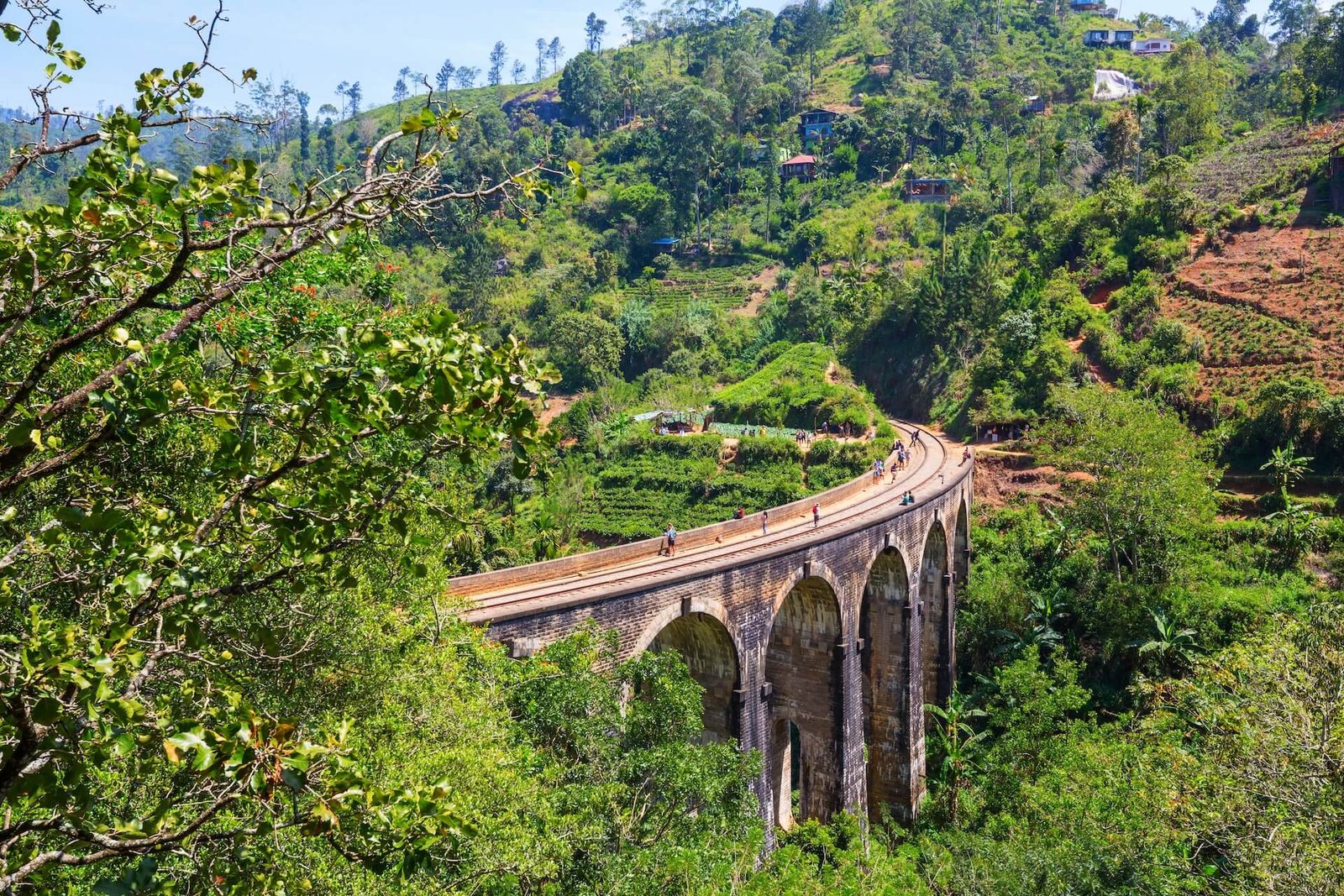
The train journey from Kandy to Ella is often described as one of the most beautiful in the world. It winds through tea plantations, forests, and misty mountains. Choose a window seat on the right side from Kandy to Nuwara Eliya and then switch to the left after Nuwara Eliya to capture the best views. Tickets sell out fast during high season, so book in advance. The ride takes between seven and nine hours depending on stops.
Taste Local Cuisine
Sri Lankan food is flavourful and varied. Rice and curry is the staple dish, consisting of several curries served with rice. Coconut‑based dishes are common, as are spices like cinnamon, cardamom and chilli. Try hoppers, thin rice flour pancakes shaped like bowls, often topped with an egg. String hoppers are steamed rice noodles served with curries. Kothu roti is a street food favourite made by chopping flatbread on a hot griddle with meat, eggs and vegetables. Don’t miss sweet treats like watalappam, a creamy coconut custard flavoured with jaggery and spices.
Practical Tips
- Carry sunscreen, a hat and light clothing to protect against sunburn. The sun is strong, especially on the coast.
- Bring a reusable water bottle and refill at hotels or restaurants offering filtered water. Many national parks ban disposable plastic bottles.
- Pack modest clothing for temples and rural areas. A lightweight scarf can double as a shawl or sarong.
- Use mosquito repellent, especially at dawn and dusk, to protect against insect bites.
- Download offline maps or use a travel app with navigation. Mobile data may be intermittent in remote areas.
- Always confirm prices in advance for tuk‑tuks and taxis without meters to avoid misunderstandings.
- Be patient with travel times. Roads can be busy and trains may experience delays.
Conclusion
Sri Lanka’s compact size hides a huge diversity of experiences. With careful planning and realistic expectations, first‑time visitors can enjoy a mix of culture, nature and relaxation. Whether you want to explore ancient cities, watch wild elephants, surf gentle waves or simply slow down amid lush tea fields, Sri Lanka welcomes you with warmth and hospitality. Use this guide as a framework to create your own adventure and discover why so many visitors fall in love with the Pearl of the Indian Ocean.