
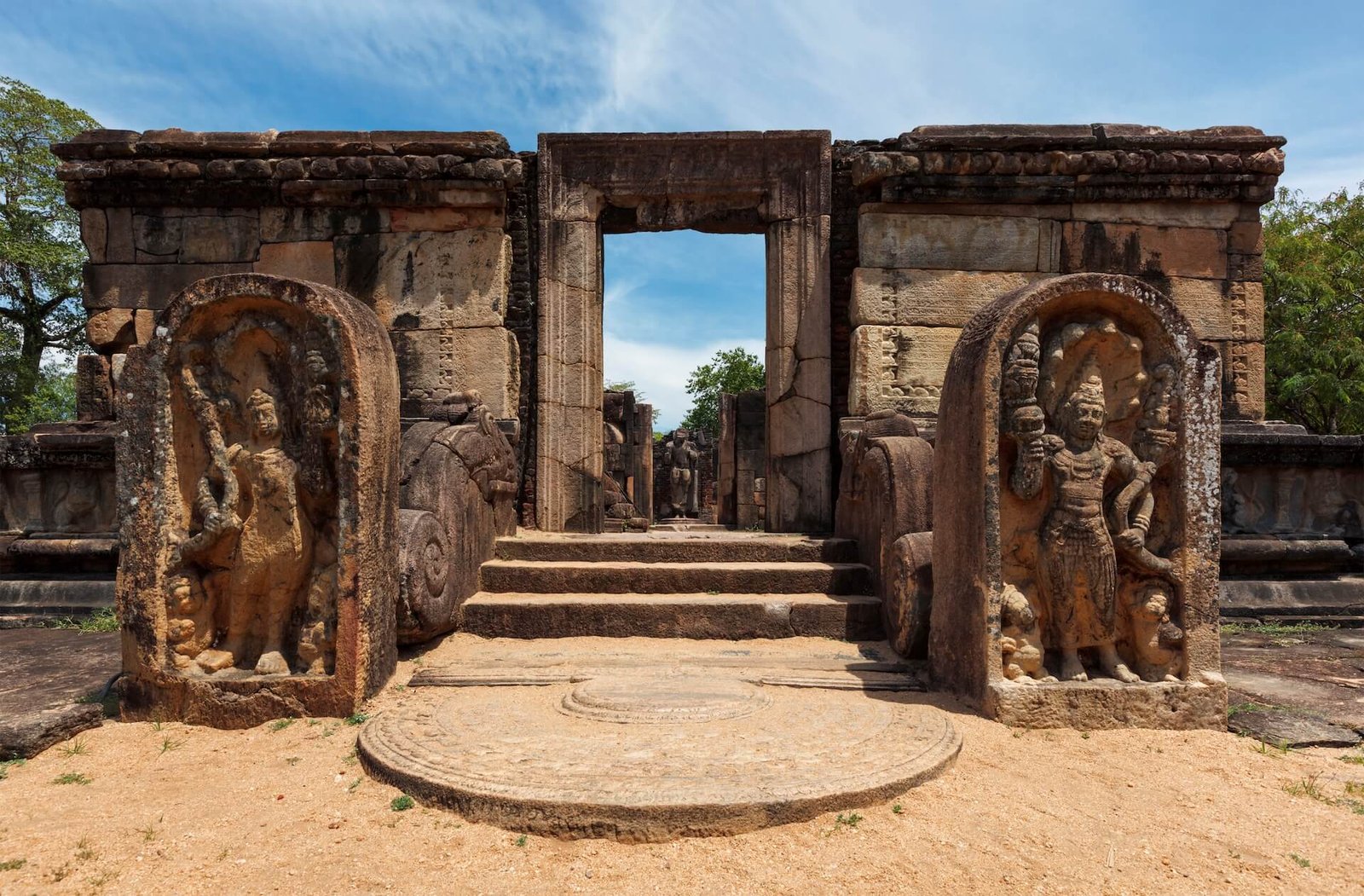
Sri Lanka’s Cultural Triangle covers an area of the north central region where several of the island’s most important historical and religious sites are located. This triangular area connects the ancient cities of Anuradhapura and Polonnaruwa with the hill capital of Kandy. Inside this region you will also find the cave temples of Dambulla, the Sigiriya rock fortress and many smaller shrines and stupas. For travellers who love history, archaeology and spiritual heritage, the Cultural Triangle is an essential part of any Sri Lankan itinerary. In this guide you will learn about each major site, how to get there, when to go and what to expect.
Understanding the Cultural Triangle
The term Cultural Triangle was created by the Sri Lankan government to promote tourism in an area rich with history. The three corners of the triangle are Anuradhapura to the northwest, Polonnaruwa to the northeast and Kandy to the south. Between these points lies Dambulla. Each city has a unique story and different attractions, but together they offer a snapshot of Sri Lanka’s ancient kingdoms and spiritual traditions.
Anuradhapura: The First Capital
Anuradhapura is considered the cradle of Sri Lankan civilisation. Founded around the 4th century BCE, it served as the island’s capital for more than 1,300 years. The city flourished under a succession of Sinhalese kings who constructed massive stupas, royal palaces, monasteries and intricate irrigation systems. Anuradhapura’s most sacred site is the Sri Maha Bodhi tree, grown from a sapling of the tree under which the Buddha attained enlightenment. Pilgrims still flock here to offer prayers and lay lotus flowers at its base.
When you visit Anuradhapura, plan to spend a full day exploring the ancient ruins. Start early in the morning to avoid the heat. The area is spread out, so hiring a bicycle or a tuk‑tuk is a practical way to get around. Key sites include:
- Ruwanwelisaya: One of the largest stupas in Sri Lanka, built by King Dutugemunu. Its white dome gleams in the sunlight and is surrounded by a wall of elephants.
- Jetavanaramaya: Once the tallest stupa in the world, this massive brick structure was a monastery complex for thousands of monks.
- Thuparamaya: The oldest stupa in Sri Lanka, said to enshrine the Buddha’s collarbone.
- Mihintale: Located a short drive from Anuradhapura, this hilltop monastery marks the spot where Buddhism was first introduced to the island in the 3rd century BCE.
Tips for Visiting Anuradhapura
Wear modest clothing that covers shoulders and knees. Remove shoes and hats when entering temples. Carry water and sun protection. Guides are available at the entrance gates and can provide valuable context, but agree on a price beforehand. Consider renting a bicycle or hiring a tuk‑tuk for the day, as the archaeological park covers a large area. If possible, visit early morning or late afternoon to avoid midday heat.
Polonnaruwa: The Garden City of Kings
After the fall of Anuradhapura in the 10th century, Polonnaruwa became the capital of Sri Lanka. Under King Parakramabahu I in the 12th century it reached its peak, with advanced irrigation systems and monumental architecture. Today the ruins remain remarkably well preserved. You can wander through ancient palaces, temples, audience halls and bathing pools. Many visitors find Polonnaruwa easier to navigate than Anuradhapura because the sites are concentrated within a smaller area.
Highlights of Polonnaruwa include:
- Royal Palace Complex: The ruins of King Parakramabahu’s palace, with thick walls and staircases hinting at its former grandeur.
- Gal Vihara: A rock temple featuring four magnificent Buddha statues carved from a single granite outcrop. The seated, standing and reclining Buddhas demonstrate remarkable craftsmanship.
- Rankoth Vehera: A large brick stupa surrounded by smaller stupas and temple ruins. It is possible to climb partway up for a view across the ruins.
- Lankatilaka: A towering image house with a headless standing Buddha statue and walls lined with intricate carvings.
Tips for Visiting Polonnaruwa
The archaeological park can be explored in half a day, but allocate a full day if you want to take your time or hire a guide. A bicycle is a great way to move between the main clusters of ruins. Start at the site museum to gain an overview of the city’s history. Bring snacks and water because shops inside the park are limited. Some temples are still active, so carry a scarf or sarong to cover your shoulders and legs.
Kandy: The Hill Capital
Kandy, set among misty hills and tea plantations, is a vibrant city with cultural and religious significance. It became the capital of the Kingdom of Kandy in the 15th century after the fall of Polonnaruwa and was the last independent kingdom before British colonisation. Kandy is best known for the Temple of the Sacred Tooth Relic, which houses a tooth believed to belong to the Buddha. This relic has been a symbol of sovereignty for centuries.
The city is also famous for the Esala Perahera, a grand procession held in July or August. The festival features traditional dancers, drummers, torchbearers and elaborately decorated elephants. It honours the Sacred Tooth Relic and draws thousands of pilgrims and tourists.
Other attractions in and around Kandy include:
- Peradeniya Botanical Gardens: A sprawling garden with tropical plants, orchids and shaded avenues.
- Bahirawakanda Vihara: A hilltop temple with a giant white Buddha statue and panoramic views over the city.
- Kandy Lake: A man‑made lake built by the last king of Kandy, perfect for a leisurely stroll.
Tips for Visiting Kandy
Kandy can be visited year‑round, but the weather is most pleasant between December and April. To attend the Esala Perahera, book accommodation well in advance as rooms fill up quickly. Dress modestly when visiting the Temple of the Tooth and arrive early to witness rituals. The city’s central location makes it a good base for day trips to the hill country and surrounding tea plantations.
Dambulla: Cave Temples and Golden Buddha
Dambulla is located at the intersection of routes connecting Anuradhapura, Polonnaruwa and Kandy. Its famous cave temple complex dates back more than 2,000 years. Monks carved out five main caves from a massive rock overhang and decorated them with elaborate murals and hundreds of Buddha statues. The caves display scenes from the life of the Buddha, including his temptation by the demon Mara and his first sermon. A golden Buddha statue stands at the base of the hill, marking the entrance to the complex.
The caves are numbered from one to five. Cave 1, known as Devaraja Lena (Cave of the Divine King), contains a 14‑metre reclining Buddha carved from the rock. Cave 2, Maharaja Vihara, is the largest and features 16 standing Buddhas around the perimeter, with a mural‑covered ceiling. Caves 3, 4 and 5 contain smaller Buddha images, Hindu deities and murals. As you explore, look up to appreciate the vibrant, almost fabric‑like ceiling paintings.
Tips for Visiting Dambulla
The walk up to the cave temples takes about 10 to 15 minutes. Wear shoes that are easy to remove because you cannot enter the caves with footwear. Morning is the best time to avoid heat and crowds. The ticket office is at the base of the hill near the Golden Temple, so purchase your ticket before starting the climb. There are some steep sections on the path, but there are shaded areas to rest. Bring a bottle of water because there are no shops at the top.
Connecting the Triangle: Practical Itineraries
If you have a week to explore the Cultural Triangle, consider splitting your time between two bases. For example, you can stay in Dambulla or Sigiriya for three or four nights and explore Sigiriya, Dambulla and Polonnaruwa from there. Then move to Kandy for a couple of nights to experience the cultural city and its surroundings. Anuradhapura is best visited as an overnight trip or as a stop on the way north towards Jaffna or Wilpattu National Park. Hiring a driver or using buses can help you move between cities efficiently. Another option is to cycle through some parts of Polonnaruwa and Anuradhapura if you enjoy an active holiday.
Respecting Heritage
While visiting these sacred and historical sites, remember to treat them with respect. Do not touch or lean on ancient carvings. Maintain a quiet and calm demeanour inside temples and image houses. Photography is allowed in most areas, but flash photography may be prohibited. If you are uncertain about any rules, ask a guide or caretaker. The preservation of these sites is essential to ensure that future generations can appreciate their beauty.
Cultural Insights
The Cultural Triangle is not just about stone ruins and monuments; it is a living landscape. Villagers still farm paddy fields that rely on ancient irrigation tanks. Monks continue to chant in temples that have stood for centuries. Festivals bring colour and music to the streets. Take time to chat with local people, taste regional foods like jackfruit curry, and observe daily rituals. In doing so, you will gain a deeper appreciation for the enduring culture that thrives alongside the ruins.
Conclusion
Exploring Sri Lanka’s Cultural Triangle is like stepping into a history book. From the sprawling stupas of Anuradhapura to the carved Buddhas of Polonnaruwa, the sacred relic in Kandy and the painted caves of Dambulla, each site tells a story of faith, power and artistry. Plan your journey carefully, respect the sites and take time to absorb the atmosphere. Whether you are a history buff, spiritual seeker or simply curious traveller, this region offers an unforgettable glimpse into Sri Lanka’s past and present.