
Few travel experiences are as evocative as taking the train through Sri Lanka’s lush hill country or wandering through a misty tea plantation. The country’s rail network, built during the British colonial era to transport tea from the highlands to the ports, now offers some of the world’s most scenic journeys. Alongside these rail adventures lie vast estates where tea is still plucked by hand and processed using traditional methods. This guide will help you plan a memorable trip combining train rides, plantation visits and hill‑country hikes.
The Magic of Sri Lanka’s Railways
Sri Lanka’s railway system stretches from the capital, Colombo, to all corners of the island. The routes cover coastlines, mountains and plains, revealing diverse landscapes. Built by the British in the late nineteenth century, the network continues to serve both locals and travellers. Riding the train is affordable, eco‑friendly and offers a chance to meet Sri Lankans going about their daily lives. Windows open wide to let in fresh air and the scent of tea bushes, while vendors walk through carriages selling snacks such as salted peanuts, freshly cut pineapple and fried pastries.
The Kandy to Ella Train Journey
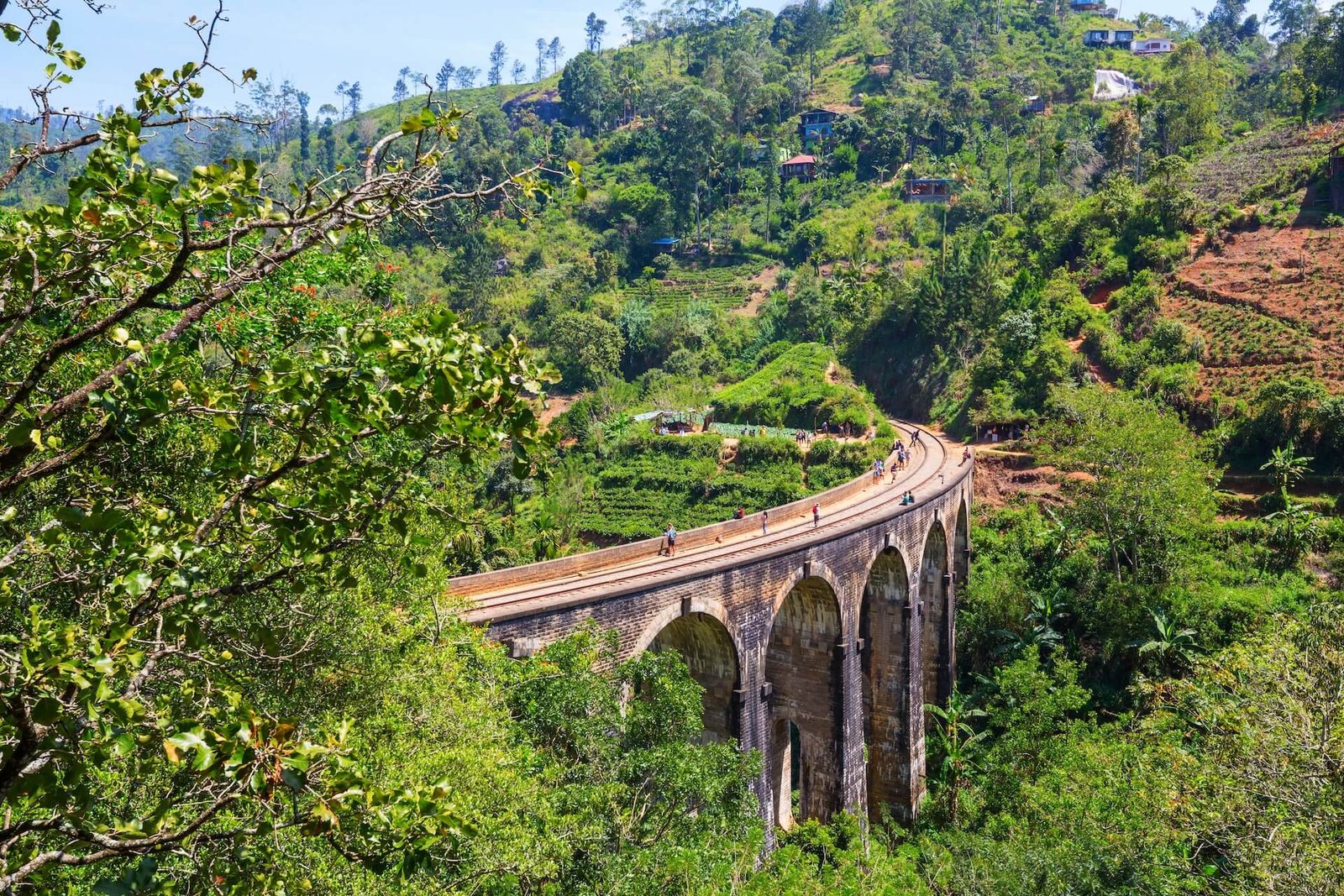
The stretch between Kandy and Ella is widely considered the most scenic rail journey in Sri Lanka. Covering about 140 kilometres, it winds through highland forests, past cascading waterfalls and around rolling hills cloaked in tea. The journey takes at least seven hours, giving you plenty of time to soak in the views. Trains rumble across tall viaducts, such as the iconic Nine Arch Bridge near Ella, and pause at stations that seem frozen in time. The slow pace allows you to lean out of open doors (safely, with caution) and feel the cool mountain air.
When planning your trip, you can choose between three classes. First class offers air‑conditioning and reserved seats but has closed windows, which limits photography. Second class has open windows and reserved seating, making it a good balance between comfort and connection to the surroundings. Third class is the most basic; it often lacks assigned seats, so you might stand, but it provides an authentic local experience. Seats can be reserved on some trains; for others, you must buy an unreserved ticket and find a place. Reservations open thirty days before departure at stations or through agents, and they sell out quickly for popular dates.
Choosing the right side of the train matters. Between Kandy and Nanu Oya, sit on the right to enjoy valley views; after Nanu Oya, switch to the left for panoramas of tea plantations and waterfalls. Breaking the journey allows you to explore more. Many travellers stop at Nanu Oya to visit Nuwara Eliya, known as “Little England” for its colonial architecture, cool climate and manicured gardens. Another stop is Haputale, a hillside town near Lipton’s Seat, where Sir Thomas Lipton used to survey his plantations. You can also get off at Ella to climb the nearby hills.
Trains depart Kandy several times a day, but the mid‑morning departure around 8 or 9 am provides good lighting for photography and arrives in Ella before dark. Avoid weekends and public holidays if you prefer fewer crowds. Unreserved carriages fill quickly, so arrive early and queue. If possible, book reserved second class seats in advance. Bring snacks, water and warm clothing—the highlands can be chilly even when the lowlands are hot.
Other Scenic Rail Routes
Though the Kandy–Ella route is the most famous, other train journeys across Sri Lanka are equally rewarding. The coastal line from Colombo to Galle and Matara hugs the Indian Ocean, passing golden beaches and fishermen casting nets from traditional boats. Short trips between Galle and Weligama reveal glimpses of stilt fishermen and palm‑fringed coves. You can easily hop off at seaside towns like Hikkaduwa and Unawatuna for a swim or lunch before continuing south.
The northern line from Colombo to Jaffna crosses lagoons and dry zones, offering a different landscape entirely. It has seen a revival in recent years after being closed during the civil conflict. The journey to Anuradhapura and further north takes you past paddy fields, ancient tanks and rural villages. Another option is the train from Badulla to Demodara, which takes you over the unique 360‑degree Demodara Loop and through multiple tunnels. This stretch is shorter but showcases ingenious engineering along the highland line.
Exploring Tea Plantations
Tea has been central to Sri Lanka’s economy for over a century. Introduced by the British after coffee crops failed, tea quickly took over the highlands. Today Sri Lanka, once known as Ceylon, is one of the world’s largest exporters of black tea. Visiting a plantation gives you insight into this industry and a chance to taste fresh brews. Many estates offer guided tours where you can watch pluckers select two leaves and a bud with skillful fingers. You can then follow the leaves through withering, rolling, fermenting, drying and grading processes.
Nuwara Eliya’s Pedro Tea Estate is easy to reach from the town centre. Here you can join a tour that leads you through the factory, explains the process and ends with a tasting of different teas. Nearby, visit the colourful Shanthipura viewpoint or wander through the Hakgala Botanical Gardens. Haputale’s Dambatenne Tea Factory is another fascinating stop. Built by Sir Thomas Lipton in 1890, it retains many old machines. After touring the factory, hike or drive up to Lipton’s Seat for panoramic views across rolling hills. On a clear day you can see as far as the south coast.
Ella, though known for its laid‑back vibe, has several tea experiences too. Halpewatte Tea Factory is a short tuk‑tuk ride from town and offers tours and tastings. You can also wander through small tea patches outside the village. On the west coast, near Galle, lies Handunugoda Tea Estate. It stands out because it produces “Virgin White Tea,” plucked and processed without human touch. Tours here include tastings of white, black and green teas and visits to the fields and factory.
Accommodation and Dining in the Hill Country
Staying in the highlands enhances the experience. Options range from simple guesthouses to colonial‑era hotels and restored tea bungalows. Nuwara Eliya offers grand hotels like The Grand Hotel and St. Andrew’s, which evoke British charm with wood‑panelled lounges and manicured lawns. There are also cosy bed‑and‑breakfasts run by local families. In Haputale and Bandarawela, you can book rooms in former planters’ bungalows with fireplaces and sweeping verandas. Many include locally sourced meals and views of tea fields.
Ella has a relaxed backpacker vibe with a mix of guesthouses, boutique hotels and homestays. Restaurants serve both Sri Lankan dishes and international favourites. Try a steaming plate of rice and curry, fresh vegetable noodles or a hearty kottu roti. Cafés overlooking the valley are perfect for sipping tea while watching the sunset. When dining in tea country, sample specialties like lamprais, a Dutch‑influenced dish of rice, curries and meat wrapped in a banana leaf, or have high tea with scones and cakes reminiscent of colonial times.
Hill‑Country Hikes and Outdoor Activities
The highlands invite exploration beyond trains and plantations. Hiking trails weave through forests and farmland, offering panoramic views and encounters with nature. One of the most popular hikes is Ella Rock. The route starts near Ella railway station, passes through tea plantations and climbs steeply to a rocky summit overlooking valleys. The hike takes about three to four hours round trip. Along the way, you may encounter locals harvesting tea or drying clothes on bushes. Wear sturdy shoes, carry water and follow signs or hire a guide to avoid wrong turns.
Little Adam’s Peak, also near Ella, is a shorter and easier walk. It takes about an hour to reach the top, and the trail is well marked. From the summit you can see the Ella Gap, a valley carved between mountains leading down to the southern plains. Horton Plains National Park, near Nuwara Eliya, offers a different hiking experience. Here the landscape is a high plateau dotted with grasslands and cloud forests. The main trail leads to a sheer escarpment called World’s End, where the land suddenly drops nearly 900 metres. The walk also passes Baker’s Falls. Early mornings are best to avoid mist that obscures views.
Further north, the Knuckles Mountain Range provides challenging treks through thick forest and across streams. Trails vary from short half‑day walks to multi‑day hikes that require permits and guides. In Haputale, you can walk from Dambatenne to Lipton’s Seat and then continue on a trail down to the tea factory, passing pickers and small villages. For a gentler option, wander along plantation roads near your accommodation; you’ll still encounter friendly locals and beautiful scenery.
Planning Tips for a Smooth Trip
To make the most of your rail and tea country adventure, consider these practical tips:
- Book train tickets early: Reservations for popular journeys like Kandy to Ella can sell out weeks in advance. If you can’t secure a reserved seat, arrive early for unreserved tickets and be prepared to stand.
- Pack layers: Temperatures in the highlands can drop significantly, especially at night. Bring a warm jumper or jacket, even if it’s hot on the coast.
- Carry cash: Small towns and tea estates may not accept cards. Bring enough cash for transport, tours and snacks.
- Respect local workers: Tea pluckers often earn modest wages. Ask before taking photos and consider purchasing tea directly from small shops or cooperatives.
- Stay hydrated: High altitudes can be deceptively dehydrating. Drink plenty of water, especially when hiking.
- Check train times: Schedules can change, and delays are common. Confirm departure times at stations or online before heading out.
- Travel light: Navigating crowded trains and steep paths is easier with a smaller backpack rather than heavy luggage.
If you’re short on time, you can still enjoy a taste of the highlands by taking a partial train ride or visiting a single estate. For example, travel from Kandy to Nuwara Eliya for a day trip, tour a tea factory and return by bus. Alternatively, start from Ella, explore nearby attractions like Ravana Falls and the Nine Arch Bridge, then board a train as far as Haputale to visit Lipton’s Seat. Flexibility allows you to customise your journey according to your interests and schedule.
Conclusion
Sri Lanka’s scenic trains and tea estates offer a window into the island’s history, culture and natural beauty. Riding the Kandy–Ella line or coastal routes connects you with landscapes that range from lush hills to golden beaches. Exploring tea plantations reveals the careful craftsmanship behind each cup, while hikes take you to panoramic viewpoints and through tranquil forests. With thoughtful planning—booking tickets early, dressing for changing weather, respecting local communities—you can create a balanced itinerary that combines rail adventures, tea culture and outdoor exploration. Whether you’re leaning out of a train door to feel the mountain breeze or sipping freshly brewed tea overlooking a valley, Sri Lanka’s hill country is sure to leave lasting impressions.