
Sri Lanka’s food is as vibrant and diverse as its landscapes. Centuries of trade, colonial influences and a mixture of ethnicities have shaped a cuisine that is fragrant, colourful and bursting with flavour. Rice, coconut and spices form the foundation, while regional ingredients and techniques add variety. Whether you’re sharing plates at a family feast, eating from a roadside stall or sitting down for a fresh seafood curry by the sea, understanding Sri Lankan cuisine enriches your travel experience. This guide introduces the country’s must‑try dishes, snacks, sweets, drinks and dining customs.
Rice and Curry: The Heart of the Table
The phrase “rice and curry” may sound simple, but it refers to a complex meal featuring many small dishes. A typical spread includes a mound of rice surrounded by several curries—one or two protein dishes (chicken, fish or mutton) and multiple vegetable preparations. There are also condiments like sambols (spicy relishes) and pickled vegetables. Each curry is distinct, carefully balanced with spices, herbs and coconut milk. Ingredients vary widely by region; for example, coastal areas favour fish and prawns, while inland regions use river fish or meat.
Popular vegetable curries include jakfruit curry, made from the tender pods of young jackfruit stewed in coconut milk and spices; polos curry, which uses unripe jackfruit with a meat‑like texture; beetroot curry, where diced beetroot simmers with onions and curry leaves; and pumpkin curry, which combines the sweetness of pumpkin with mild spices and coconut. Lentils are another staple. Red lentil dhal curry, cooked with onions, garlic, cumin and mustard seeds, is often served at almost every meal. Rice and curry is eaten at lunch and dinner, but variations can appear at breakfast as well. Eating with your right hand is common; you mix rice with curries and scoop small portions into your mouth, appreciating the textures and aromas.
Street Food and Snacks
Street food provides a window into Sri Lanka’s culinary creativity. One iconic dish is kottu roti, made from shredded flatbread stir‑fried with vegetables, eggs and sometimes meat. Street vendors use metal blades to chop and mix the ingredients on a hot griddle, creating a rhythmic clatter that draws hungry customers. Each kottu stall offers slightly different flavours depending on the spices used, and some add cheese or seafood. For a vegetarian option, look for veg kottu or egg kottu.
Hoppers (known locally as appa) are bowl‑shaped pancakes made from fermented rice flour and coconut milk. They have a crispy edge and soft centre. Plain hoppers are eaten with lunu miris, a fiery mix of onion, chilli and lime. Egg hoppers contain a lightly fried egg in the middle. Milk hoppers are sweeter, with coconut milk added to the batter. You can order hoppers at breakfast or dinner from roadside stalls or restaurants.
String hoppers (idiyappam) are nests of steamed rice noodles served with curries and coconut sambol. They absorb sauces well, making them perfect for soaking up spicy gravies. In some regions, string hoppers are served with a sweet coconut milk sauce for breakfast. Rotis, another staple, come in various forms: plain wheat roti, coconut roti (made with grated coconut) and pol roti served with spicy sambol. Stuffed rotis, filled with curried potatoes or chicken, make a quick snack.
On the go, you’ll find small fried snacks called “short eats.” These include vegetable samosas, fish cutlets (croquettes of mashed potato and spiced fish coated in breadcrumbs) and isso wade (prawn fritters) sold by vendors near beaches. Vadai, lentil fritters flavoured with curry leaves and chilli, are popular at train stations and markets. Traditional sweets like kokis (crispy rice flour cookies) and aluwala (diamond‑shaped milk toffee) are often sold alongside savouries. Sampling these snacks is an inexpensive way to explore different tastes.
Seafood Delights
As an island surrounded by warm seas, Sri Lanka enjoys an abundance of seafood. Markets overflow with fresh fish, crabs, prawns and squid. One well‑known dish is ambul thiyal, a sour fish curry from the southern region. Cubes of firm fish (often skipjack tuna) are cooked with curry leaves, black pepper, garlic and dried goraka fruit, which gives the dish its tangy flavour and dark colour. The curry is reduced until the fish pieces are well coated and can be stored for several days.
Devilled prawns are a spicy favourite, especially in coastal restaurants. Prawns are tossed with onions, tomatoes, green chillies and a mix of soy sauce and chilli paste. The result is sweet, sour and hot, often served sizzling. Crab curry is another highlight, particularly in the coastal towns. Mud crabs simmer in a fragrant coconut gravy seasoned with turmeric, mustard seeds, curry leaves and lemongrass. Eating crab curry is a messy affair; diners crack shells with their hands to extract tender meat. Many restaurants provide bibs to help keep clothes clean.
For a simple yet delicious meal, try grilled fish served with rice and a side of salad. Fishermen often bring their catch directly to beachside eateries, where fish are marinated with spices and grilled over coals. Curries made with squid, cuttlefish and mussels appear in many coastal menus. Be adventurous and ask locals what seafood is in season. Freshness is key to enjoying seafood at its best.
Vegetarian and Vegan Dishes
Sri Lankan cuisine offers a wealth of plant‑based options, making it a paradise for vegetarians and vegans. Coconut milk is used instead of dairy cream, and many households cook daily meals without meat. Gotu kola sambol is a salad made from finely chopped pennywort mixed with grated coconut, onions, tomatoes and lime. Mallung refers to finely shredded greens—such as kale, spinach or tender cabbage—lightly sautéed with coconut and spices. These dishes are nutritious and refreshing, often balancing heavier curries.
Curries made from breadfruit, pumpkin, okra, long beans and winged beans are common. Eggplant moju is a sweet and sour pickle in which fried eggplant slices soak up vinegar, sugar, mustard seeds and spices. It’s a staple accompaniment to rice and curry. Coconut sambol, made from freshly grated coconut mixed with chilli powder, lime juice, salt and onions, appears on many tables and can be eaten with almost anything. Jackfruit curry, both tender (polos) and ripe (waraka), is beloved for its texture and ability to absorb flavours.
Lentils provide protein and comfort. Parippu (yellow split pea curry) is slightly thicker than red lentil dhal and pairs beautifully with rice or roti. Soups like rasam, a tangy broth made with tamarind, tomato and spices, are light and warming. Vegetable stir‑fries called thel dala use ingredients like carrots, beans and leafy greens sautéed with garlic, chilli and curry leaves. With so many options, vegetarians and vegans can savour Sri Lankan cuisine without feeling restricted.
Desserts and Sweets
Sweet dishes play an important role in Sri Lankan celebrations and everyday life. Kiribath, or milk rice, is made by cooking rice in coconut milk until it becomes creamy. It is often served at auspicious occasions like New Year and birthdays, cut into diamond shapes and eaten with savoury onion sambol or jaggery (palm sugar). Watalappan is a steamed custard made from coconut milk, jaggery, eggs and spices such as cardamom and nutmeg. Its creamy texture and caramel flavour make it a favourite dessert at weddings and religious festivals.
During festive seasons, you’ll find traditional sweets like kokis, made by dipping a metal mould into rice flour batter and frying it until crisp; kavum (oil cakes), deep‑fried balls of rice flour and treacle; and aluwa, a soft confection of rice flour, coconut and treacle shaped into diamonds. Street vendors also sell curd and treacle, a simple dessert in which tangy buffalo curd is topped with thick palm treacle. Tropical fruits such as mangoes, papayas, pineapples and bananas make sweet endings or snacks throughout the day.
Drinks and Beverages
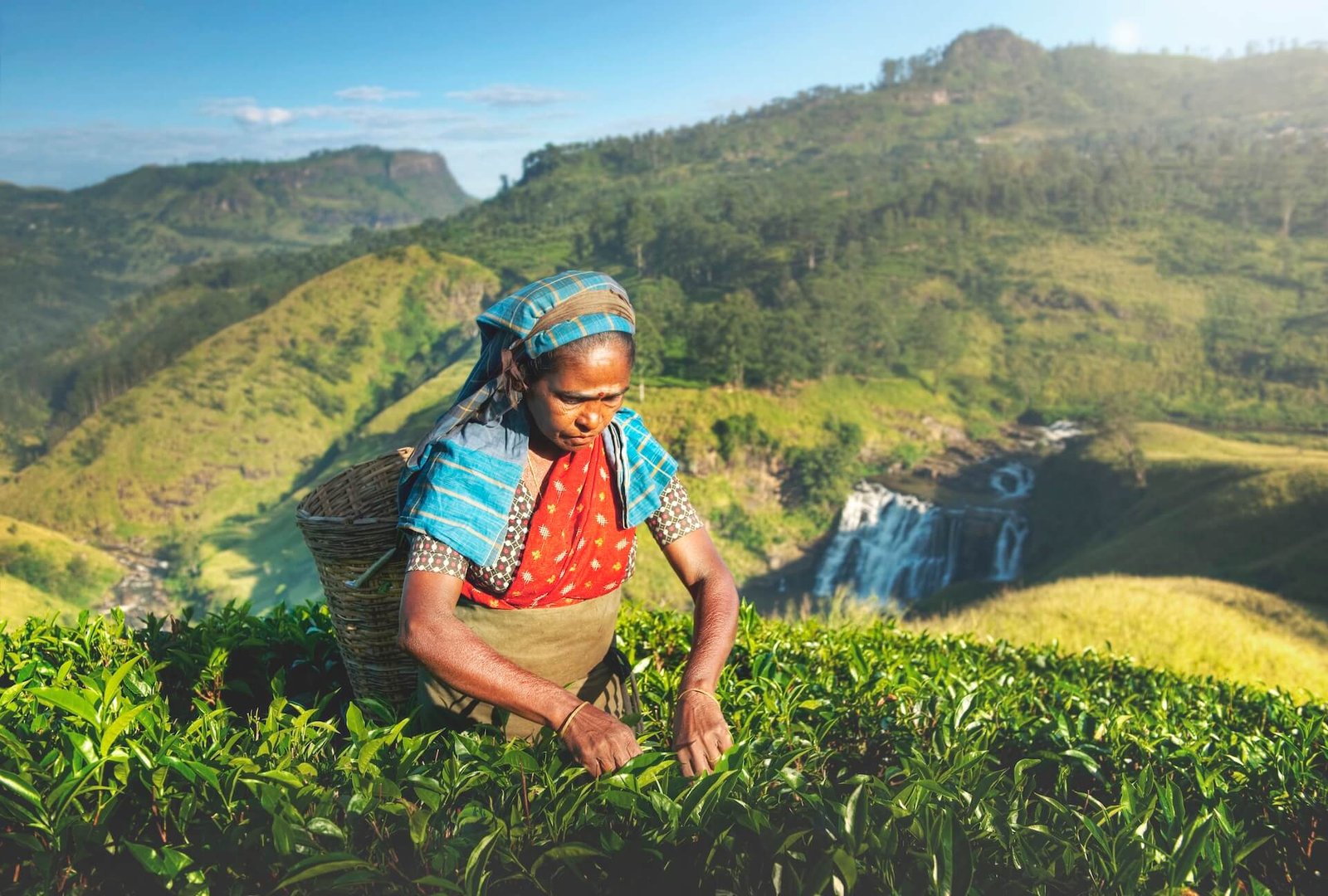
No exploration of Sri Lankan cuisine is complete without mentioning its beverages. Tea is the national drink. Sri Lanka produces some of the world’s finest black teas, especially from highland regions like Nuwara Eliya and Uva. Many locals enjoy tea with milk and sugar, while others prefer it black. Try a cup at a roadside stall, where tea is poured from a height to create froth and cool it slightly. Herbal infusions made from ginger, coriander seeds, lime leaves and pandan are common home remedies and are offered after meals.
Fresh juices made from king coconut, lime, pineapple and passion fruit are widely available and refreshing in the tropical heat. King coconut, a variety specifically grown for its sweet water, is often sold on the roadside; vendors slice the top and hand you a straw. Fermented beverages also exist. Kitul toddy is a mildly alcoholic drink tapped from the sap of the kithul palm. Local spirits like arrack, distilled from coconut or palm sap, are used in cocktails or enjoyed neat. If you choose to sample these, do so responsibly and be aware of alcohol regulations.
Dining Etiquette and Tips
Understanding local dining customs enhances your enjoyment of Sri Lankan food. Most meals are eaten with the right hand. Wash your hands before and after eating; many restaurants provide washing stations. Use your fingertips to mix rice with curry and shape it into bite‑sized portions. Eating with the left hand is considered impolite. If you are not comfortable using your hands, ask for cutlery—locals will understand and accommodate.
Meals are often served on banana leaves or metal trays. It is customary to be offered a second helping; declining is acceptable but do so politely. When invited to a home, bring a small gift or dessert to show appreciation. Remove your shoes before entering and wait to be seated. At restaurants, tipping is appreciated but not mandatory; a small amount is sufficient if service charge is not included. When ordering spicy dishes, clarify your preferred spice level; some curries can be very hot for unaccustomed palates.
Street food is generally safe if you choose busy stalls with a high turnover of food. Avoid raw salads and ice if you are concerned about hygiene. Drink bottled or filtered water. Carrying a reusable bottle helps reduce plastic waste. If you have dietary restrictions or allergies, learn a few key phrases in Sinhala or Tamil or carry a card explaining your needs.
Cooking Classes and Food Tours
One of the best ways to immerse yourself in Sri Lankan cuisine is by taking a cooking class. Many guesthouses and restaurants across the island offer hands‑on lessons where you visit a market with a cook, select ingredients and prepare several dishes. You will learn about spice combinations, techniques for tempering and how to balance flavours. A typical class might include making dhal curry, coconut sambol, chicken curry, a vegetable dish and a dessert like watalappan.
Food tours are another option. Guided tours in cities like Colombo and Kandy take you to street stalls, markets and hidden eateries. You can sample a wide variety of dishes and learn the stories behind them. These tours often include information about Sri Lanka’s culinary history and cultural influences. For a more rural experience, join a community‑run food tour in a village where you can harvest ingredients from a home garden and cook them over an open fire.
Conclusion
Sri Lankan cuisine is a celebration of flavour, colour and tradition. From the hearty comfort of rice and curry to the sizzling excitement of street food and the delicate sweetness of desserts, the island’s food reflects its people and their diverse heritage. Exploring local dishes brings you closer to everyday life and offers insights into how history, trade and geography have shaped the nation’s palate. Whether you’re tucking into a plate of kottu under the stars, sharing a homemade meal with new friends or sipping tea in a plantation bungalow, every bite tells a story. Approach each meal with curiosity and respect, and you’ll find that Sri Lanka’s culinary journeys are as memorable as its scenery.