
In Sri Lanka, wellness is not a trend but a tradition rooted in centuries of practice. Ayurveda, which means “science of life” in Sanskrit, has been integral to the island’s culture since ancient times. It emphasises balance between body, mind and spirit through diet, herbal remedies, massage, yoga and meditation. Today travellers come to Sri Lanka seeking not only beautiful beaches and cultural sites but also rejuvenation and holistic healing. This guide introduces the basics of Ayurveda, highlights notable wellness retreats and offers practical advice for sustainable travel and mindful living.
Understanding Ayurveda
Ayurveda views health as harmony between an individual’s constitution and the natural environment. According to Ayurvedic philosophy, every person is a unique combination of three energies or doshas: Vata (air and space), Pitta (fire and water) and Kapha (earth and water). When these doshas are balanced, one enjoys vitality and mental clarity. Imbalances—caused by stress, poor diet, lack of sleep or environmental factors—manifest as illness. Ayurvedic treatments aim to restore balance through a personalised regimen of diet, herbal medicine, physical therapies and lifestyle practices.
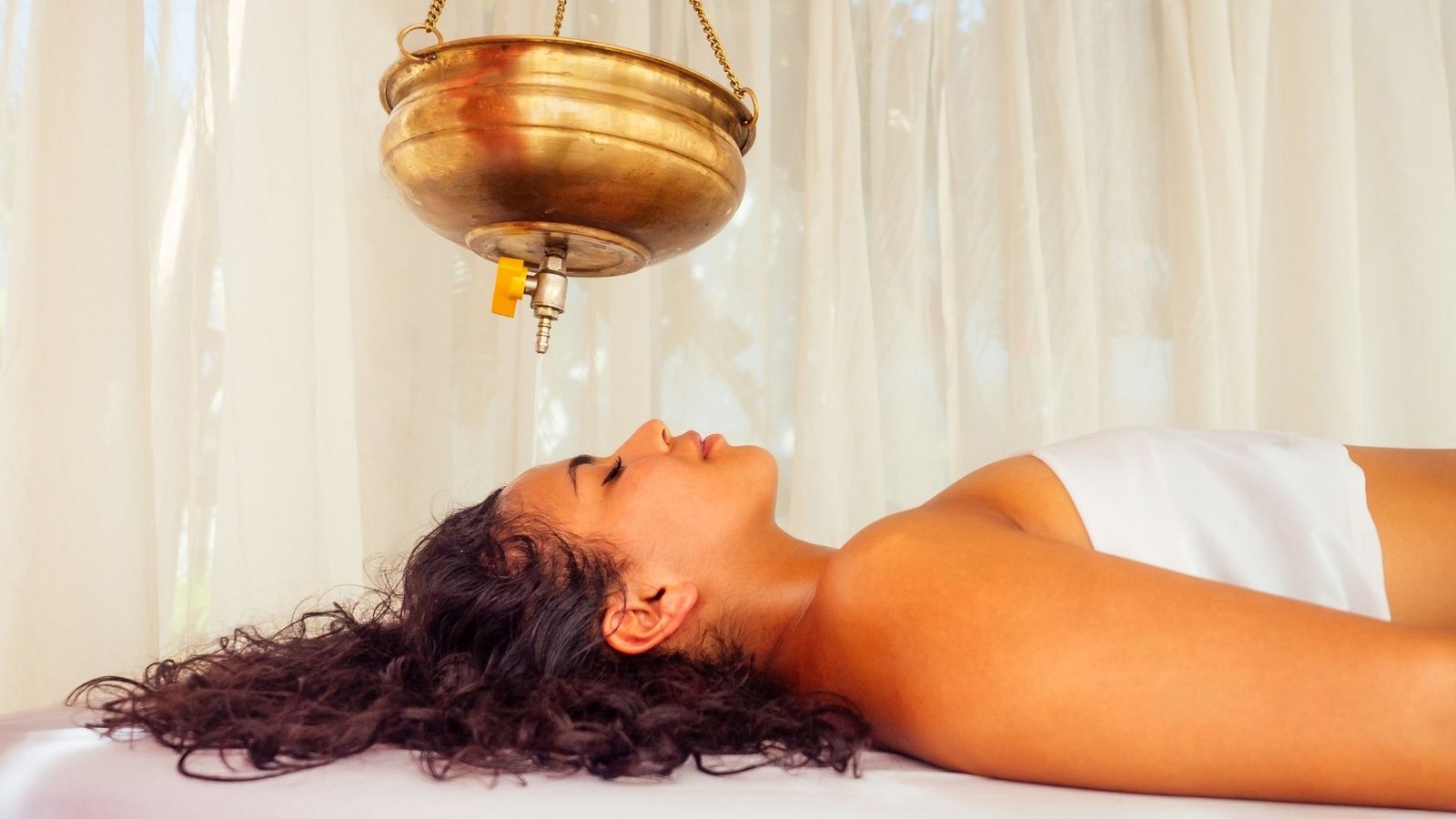
A typical Ayurvedic consultation begins with a qualified doctor assessing your health history, pulse, tongue and eyes. Based on this assessment, a program is designed to rebalance your doshas. Treatments may include abhyanga (a full‑body massage with warm herbal oils), shirodhara (pouring warm oil over the forehead to calm the mind), panchakarma (a detoxifying regimen involving internal and external cleansing therapies) and daily herbal preparations. Diet plays a crucial role; meals are tailored to your constitution and may exclude meat, dairy, alcohol or caffeine. Meditation, yoga and breathing exercises are incorporated to calm the mind and improve flexibility.
Leading Ayurvedic Retreats
Sri Lanka hosts a wide range of wellness retreats, from simple village clinics to luxurious resorts. Choosing the right retreat depends on your goals, budget and preferred setting.
Barberyn Reef Ayurveda Resort
Located on the southwest coast, Barberyn Reef is one of Sri Lanka’s oldest Ayurvedic hotels. The resort sits on a rocky headland overlooking the Indian Ocean, blending medical care with beach relaxation. Guests receive individual consultations with resident doctors who prescribe treatments and diets. Daily yoga, herbal baths and guided meditation complement massages and therapies. The resort’s kitchen prepares vegetarian meals suited to each guest’s dosha, using organic ingredients grown on site. Many visitors choose programmes ranging from a week to several months, allowing time for deep healing.
Santani Wellness Resort
Nestled in the Knuckles foothills, Santani combines modern design with Ayurveda and spa therapies. The resort emphasises sustainable architecture, with minimalist structures that blend into the landscape. Programmes focus on detox, weight loss, stress reduction and mindfulness. Guests can choose between Ayurvedic treatments and Western‑style spa therapies, guided yoga sessions and nature walks. The open‑air pavilion restaurant serves balanced meals using locally sourced produce. Santani’s commitment to eco‑friendliness includes rainwater harvesting, solar power and organic farming.
Ulpotha
For a retreat immersed in nature, Ulpotha offers a rustic experience in the central plains. This seasonal village operates as a rice‑farming community for much of the year and transforms into a yoga and Ayurveda retreat during its six‑month season. There are no phones, internet or electricity. Guests sleep in open‑air mud huts, take part in yoga twice daily and receive Ayurvedic treatments prescribed by trained doctors. Meals are vegetarian, and activities like lake swimming, forest walks and pottery provide a digital detox. Ulpotha’s simple lifestyle encourages connection with nature and self.
Other Notable Retreats
Heritance Ayurveda Maha Gedara in Beruwala offers luxurious rooms alongside comprehensive treatment plans. Ayurvedic Garden in Talalla provides budget‑friendly packages by the beach. Several boutique hotels across the island incorporate Ayurvedic therapies into their spas, allowing guests to enjoy treatments without committing to a full programme. When choosing a retreat, consider its location (beach, mountains, countryside), length of stay, consultation quality and whether it caters to your specific health goals.
Choosing Treatments and Programs
Not all treatments are suitable for everyone. Talk with a qualified Ayurvedic doctor who can assess your needs. If you are new to Ayurveda or have limited time, opt for a basic package that includes daily massages, herbal baths and simple dietary changes. For chronic issues like stress, digestive problems or joint pain, a longer programme with detox therapies may be beneficial. During treatments, follow the recommended diet strictly; many programmes avoid alcohol, caffeine, spicy food and sweets. After completing the course, doctors often provide guidance on how to maintain balance at home, including recipes and lifestyle changes.
Spa and Wellness Experiences for Short Stays
Travellers who cannot commit to a full retreat can still experience Sri Lanka’s healing traditions. Many hotels and day spas in Colombo, Galle and Kandy offer individual treatments. A full‑body oil massage or shirodhara session lasts an hour or two and leaves you deeply relaxed. Herbal steam baths open pores and detoxify the skin, while foot massages ease fatigue after long sightseeing days. Some spas combine Ayurveda with acupuncture, reflexology or aromatherapy, creating customised experiences. Even a short treatment can provide a taste of Ayurvedic healing and alleviate travel stress.
Mindfulness and Well‑Being Beyond Ayurveda
Wellness in Sri Lanka encompasses more than Ayurvedic treatments. Meditation retreats led by Buddhist monks provide guidance on mindfulness and insight meditation. Centres like Nilambe Meditation Centre near Kandy welcome visitors for silent retreats lasting from a few days to several weeks. Yoga schools across the island teach various styles, from Hatha and Ashtanga to restorative yoga by the beach. Surf camps often offer yoga sessions to complement physical activity. Spending time in nature—walking through tea plantations, swimming in waterfalls or relaxing in rural homestays—also contributes to wellbeing.
Journaling, creative arts workshops and community volunteering are other ways to cultivate self‑awareness and connection while travelling. Sri Lanka’s diverse cultures and religions encourage reflection. Visiting ancient temples like Anuradhapura or watching a traditional dance performance can inspire a sense of awe and curiosity. When planning a wellness trip, choose activities that resonate with your interests and allow space for rest and contemplation.
Local Herbal Remedies and Home Practices
Ayurveda permeates daily life in Sri Lanka, and many households use herbs from their gardens to prepare simple remedies. Common spices like turmeric, ginger, coriander and cumin are prized for their healing properties. A popular tonic is golden milk, made by simmering turmeric, cinnamon and black pepper in coconut milk; it is believed to strengthen immunity and reduce inflammation. Ginger tea sweetened with jaggery soothes the throat and aids digestion. Aloe vera gel is applied directly to burns and skin irritations, while neem leaves are used in hair oils and skin washes. By learning these home practices, visitors can take a piece of Ayurvedic wisdom home with them. Some retreats offer workshops where guests pick herbs, grind spices and prepare their own tonics, fostering a deeper understanding of natural healing.
Sustainable Travel Tips
As tourism grows in Sri Lanka, it is important to travel responsibly to preserve the island’s environment and culture. Here are guidelines to make your wellness journey sustainable:
- Choose eco‑friendly accommodations: Look for hotels and retreats that use renewable energy, recycle waste and support local communities. Many wellness resorts grow their own organic food and employ residents from nearby villages.
- Reduce plastic use: Carry a reusable water bottle and refill it instead of buying bottled water. Avoid single‑use plastic bags and straws.
- Support local businesses: Buy souvenirs from artisans, eat at family‑run restaurants and hire local guides. This keeps tourism revenue in the community.
- Respect culture and nature: Dress modestly when visiting temples and villages, follow rules at heritage sites and avoid disturbing wildlife. Do not take shells or coral from beaches.
- Offset your carbon footprint: Consider choosing direct flights when possible, using public transport or carpooling, and participating in tree‑planting initiatives or carbon offset programmes.
- Limit resource use: Conserve water and electricity in your accommodation. Turn off lights, air conditioning and taps when not in use.
- Educate yourself: Learn about Sri Lanka’s history, religions and social issues. This fosters respect and understanding for the country you are visiting.
By adopting these practices, you contribute to the protection of Sri Lanka’s natural beauty and cultural heritage. Sustainability also aligns with the Ayurvedic principle of living in harmony with the environment.
Planning Your Wellness Journey
Before booking a retreat, reflect on what you want to achieve. Are you seeking relaxation, detoxification, mental clarity or relief from specific ailments? Research different retreats, read reviews and contact them with questions about programmes, costs and facilities. Ask if they employ certified Ayurvedic doctors, how many treatments are included daily and whether yoga or meditation is offered. Be honest about any medical conditions, allergies or dietary needs.
Pack light, comfortable clothing suitable for warm weather and yoga. Bring toiletries, but note that many retreats provide Ayurvedic soap, shampoo and oils. Leave devices in your room or turn them off during treatments to disconnect fully. The more open you are to new experiences—trying unfamiliar foods, engaging in meditation or joining communal activities—the richer your wellness journey will be.
Conclusion
Sri Lanka is a sanctuary for those seeking health, peace and a deeper connection with themselves. Ayurveda offers a holistic framework that has served Sri Lankans for centuries, and today’s retreats blend traditional wisdom with modern comfort. By choosing the right programme, embracing mindful activities and travelling sustainably, you can rejuvenate your body and mind while contributing positively to the island you visit. Whether you spend a weekend at a spa or several weeks immersed in a village retreat, the essence of Sri Lanka’s wellness traditions will accompany you long after you return home.