
Sri Lanka’s landscapes invite exploration on foot. From sacred mountains to misty plateaus, walking through these environments reveals a deeper connection with the island’s culture and natural beauty. This guide focuses on climbing Adam’s Peak, one of Sri Lanka’s most significant hikes, and introduces other rewarding trails in the hill country. Whether you’re a pilgrim seeking spiritual fulfilment or a traveller chasing scenic vistas, understanding the routes, seasons and preparations ensures a safe and meaningful journey.
The Significance of Adam’s Peak
Adam’s Peak, known locally as Sri Pada (meaning “sacred footprint”), rises 2,243 metres above sea level in the central highlands. It is revered by followers of several religions. Buddhists believe the footprint at its summit is that of the Buddha; Hindus attribute it to Shiva; Muslims and Christians associate it with Adam. This shared reverence makes Adam’s Peak a unique pilgrimage site where different faiths converge. The climb symbolises devotion, endurance and the promise of renewal that comes with witnessing sunrise from its peak.
Choosing Your Route
There are several paths to the summit, each varying in length, scenery and level of development.
Hatton (Nallathanniya) Route
The Hatton trail is the shortest and most popular. It begins from the town of Nallathanniya, located about 3 hours’ drive from Kandy. The route covers roughly 5 kilometres and climbs more than 5,000 steps. Because it is heavily used, it has facilities like tea stalls, rest points and lights that illuminate the path during the pilgrimage season. Most hikers begin around midnight to reach the summit before sunrise. The early start helps you avoid midday heat and heavy pilgrim traffic on the descent.
Ratnapura (Palabaddala) Route
The Ratnapura path is longer and quieter. It starts near the village of Palabaddala and takes 7 to 10 hours depending on fitness. The route passes through forest and tea estates, with fewer vendors along the way. Because it lacks continuous lighting, it is less busy, especially outside the peak season. Some experienced hikers ascend via the Ratnapura trail and descend through Hatton, allowing them to experience both sides of the mountain.
Kuruwita and Erathna Routes
Kuruwita and Erathna are less frequented paths that offer solitude and more natural surroundings. They are longer and tougher than Hatton but shorter than Ratnapura. The Kuruwita trail is known for its steep ascent and beautiful forest sections, while the Erathna route is gentler with gradual climbs. These paths have fewer amenities, so you must carry your own supplies. Some hikers choose them during off‑season to avoid crowds or to enjoy unspoiled scenery.
Best Time to Hike
The official pilgrimage season runs from December to April. During this period, the weather is dry, and the Hatton route is illuminated at night. Tea stalls and shelters are open, and thousands of pilgrims make the trek daily. This creates a festive atmosphere but also means crowded conditions. If you seek a spiritual experience in the company of others, plan your climb during this season. Avoid full moon days and weekends if you prefer smaller crowds.
The rest of the year sees fewer pilgrims, but the weather becomes less predictable. Heavy rains and mist can make the trail slippery and obscure views. The lights along the path are turned off, and stalls close. Experienced hikers sometimes attempt off‑season climbs but should be prepared for challenging conditions. Always check weather reports before embarking. For sunrise, you should start climbing at midnight or shortly after to reach the top before dawn. The ascent can take three to five hours depending on fitness and the route chosen.
Preparing for the Climb
Climbing Adam’s Peak requires physical stamina and sensible preparation. Here are some tips to help you plan:
- Train beforehand: Build endurance by walking or hiking regularly in the weeks leading up to your trip. Stairs or hills help strengthen your legs for the ascent.
- Pack light: Carry only essentials: warm clothing (the summit is cold before sunrise), rain gear, water, snacks, a flashlight or headlamp and cash for tea stalls if you plan to buy refreshments.
- Wear proper footwear: Choose comfortable shoes with good grip. The steps can be uneven and slippery, especially in the wet.
- Stay hydrated: Even though the night air is cool, climbing burns energy. Drink water regularly and replenish electrolytes with coconut water or rehydration sachets.
- Respect the culture: Dress modestly, covering shoulders and knees. Avoid loud music or disruptive behaviour. Be mindful of other pilgrims’ devotion.
- Pace yourself: Take breaks when needed. There is no rush; the goal is to reach the top safely and enjoy the sunrise.
If you have health conditions, consult a doctor before attempting the climb. At the base, you can hire a porter to carry your bag, but carry your own valuables. Bathrooms are basic along the trail, and rubbish bins may not be available; pack out any trash you generate.
At the Summit
Reaching the summit of Adam’s Peak is both a physical and emotional experience. At the top, devotees ring a large bell to announce the number of ascents they have made. Pilgrims worship the sacred footprint housed in a small temple. Tourists are welcome to observe, but photography inside the shrine may be restricted. As dawn breaks, a triangular shadow of the mountain appears over the surrounding landscape, creating a beautiful illusion. This phenomenon lasts only a few minutes and is considered a highlight of the climb. After sunrise, the descent can be steep; take care going down, as tired legs are prone to slips.
Other Hill‑Country Hikes
While Adam’s Peak is the most famous, several other trails offer rewarding experiences without the religious context.
Ella Rock
Ella Rock is a challenging trek near the town of Ella. The trail begins near Ella railway station, crosses tea fields and ascends through eucalyptus forests. The climb takes about two to three hours one way. At the top, you are rewarded with panoramic views of the valley below, rolling hills and sometimes even the south coast on clear days. The path has unmarked sections, so hire a local guide or follow an updated route description to avoid getting lost. Start early in the morning to avoid midday heat and carry enough water.
Little Adam’s Peak
Also near Ella, Little Adam’s Peak is an easier hike suitable for most fitness levels. It takes about 30 to 45 minutes to reach the summit, and the trail is well marked. The path winds through tea plantations and gently climbs to a ridge that resembles a smaller version of Adam’s Peak. From the top you can see the Ella Gap, the towering Ella Rock opposite and the valley below. It’s a perfect hike for sunrise or sunset, and families or travellers with limited time will find it rewarding.
Horton Plains and World’s End
Horton Plains National Park is a highland plateau famous for its biodiversity and dramatic scenery. The main loop trail is about 9 kilometres long and leads to World’s End, a sheer cliff where the land drops nearly 900 metres. The view stretches across plains and tea estates, often shrouded in mist. On the way, the trail passes Baker’s Falls, a picturesque waterfall in a forest clearing. The park is home to many endemic plants and animals. Hikers must start early, as clouds often roll in by mid‑morning. Wear warm layers; temperatures can be chilly even when the plains below are hot.
Knuckles Mountain Range
The Knuckles Range, named for its resemblance to a clenched fist, lies northeast of Kandy. Its rugged peaks and deep valleys offer some of Sri Lanka’s most challenging treks. Trails weave through montane forests, grasslands and remote villages. Multi‑day hikes require permits and guides, while shorter routes can be done in a day. The area is rich in biodiversity and is recognised as a World Heritage Site. Hiking here requires preparation, including sturdy boots, rain protection and a good fitness level. The payoff is solitude and untouched natural beauty.
Lipton’s Seat
Near Haputale, the trek to Lipton’s Seat follows a route that tea magnate Sir Thomas Lipton used to survey his estates. The path meanders through rolling tea fields and small villages. Starting from Dambatenne Tea Factory, it takes about two hours to reach the viewpoint. On clear days, you can see across the hills to five provinces. Combine the hike with a factory tour to learn about tea processing. The trail is gentle and suitable for moderate fitness levels.
Trekking Tips and Responsible Travel
Whether climbing a sacred peak or wandering through tea estates, respect for the environment and local communities is essential. Follow these guidelines for safe and responsible trekking:
- Stay on marked trails to prevent erosion and avoid damaging vegetation.
- Do not litter. Carry a small bag for trash and dispose of it properly when you return to town.
- Dress modestly and consider cultural norms, especially when passing temples or villages.
- Hire local guides when possible. Their knowledge enriches your experience and supports the local economy.
- Observe wildlife from a distance. Do not feed animals or remove plants.
- Inform someone of your hiking plan, especially for longer or lesser‑known routes.
- Carry enough water, snacks and a basic first‑aid kit.
Weather in the hills can change rapidly. Pack rain gear and warm clothing even if the sky is clear. Start early to avoid midday heat and to see vistas before clouds roll in. Respect local property; do not pick tea leaves or enter private gardens without permission. If a hike passes through a community, greet villagers politely and ask before taking photographs. Offering a small donation or buying tea directly from villagers is a kind gesture.
Combining Hikes with Cultural Experiences
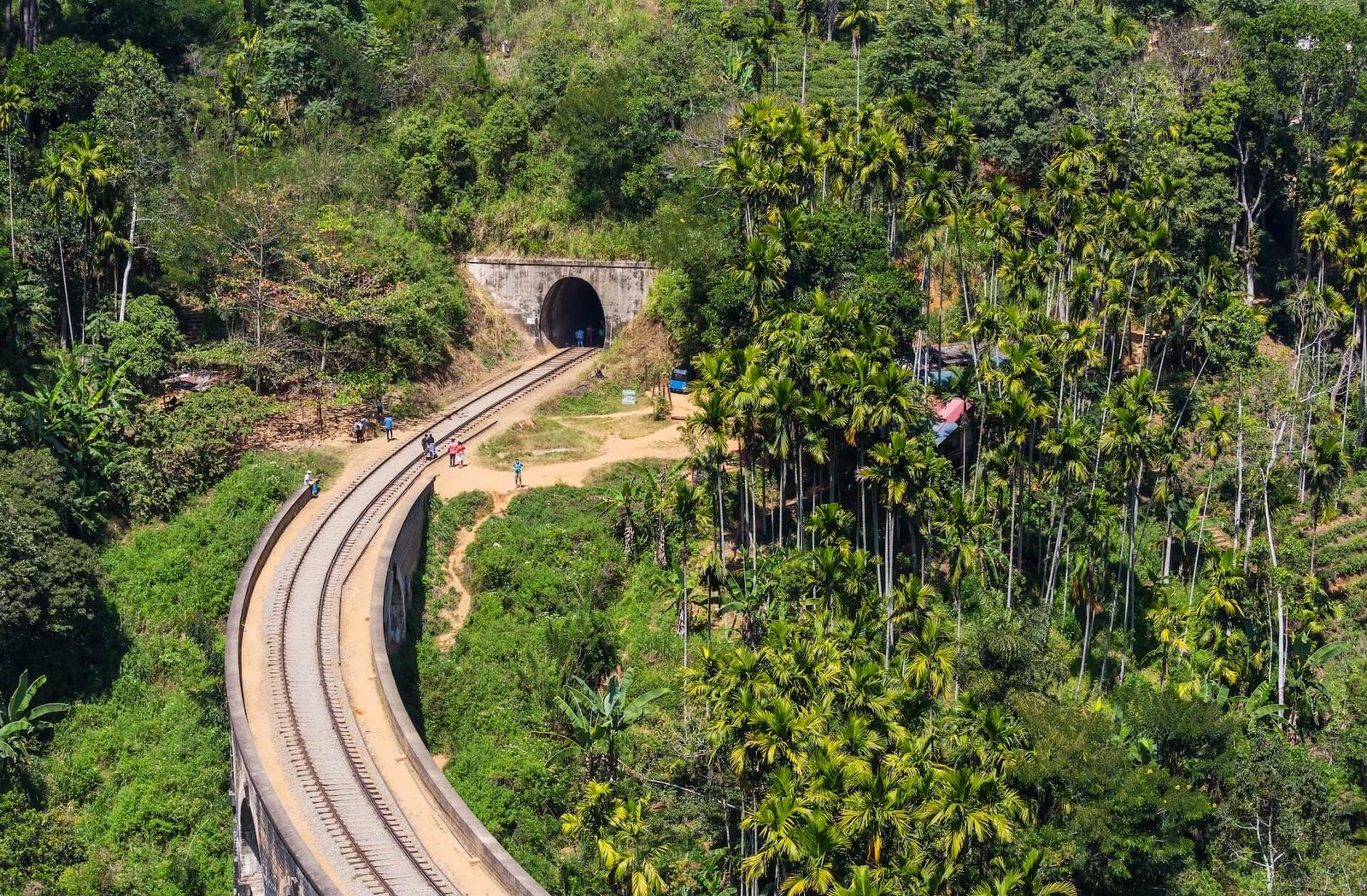
The beauty of trekking in Sri Lanka is that it often intersects with cultural sites. For example, after climbing Adam’s Peak, you can visit nearby tea plantations or the ancient city of Ratnapura, known for gem mining. A hike to Ella Rock can be paired with a visit to the Nine Arch Bridge, a stunning railway viaduct, or a swim at Ravana Falls. The hike through Horton Plains often follows a journey on the scenic train from Kandy, linking natural wonders with rail adventures. By blending hikes with visits to temples, markets and villages, you gain a fuller appreciation of Sri Lanka’s diverse identity.
Conclusion
Hiking in Sri Lanka offers more than exercise; it connects you to the island’s spiritual traditions, natural wonders and welcoming communities. Climbing Adam’s Peak is a moving experience, whether you join throngs of pilgrims in the dry season or ascend a quiet trail in solitude. Beyond this sacred mountain lie numerous trails through tea fields, forests and plateaus. By preparing well, respecting cultural customs and the environment, and venturing beyond the beaten path, you’ll discover that Sri Lanka’s hill country is full of stories and scenes that linger long after your trek ends.