
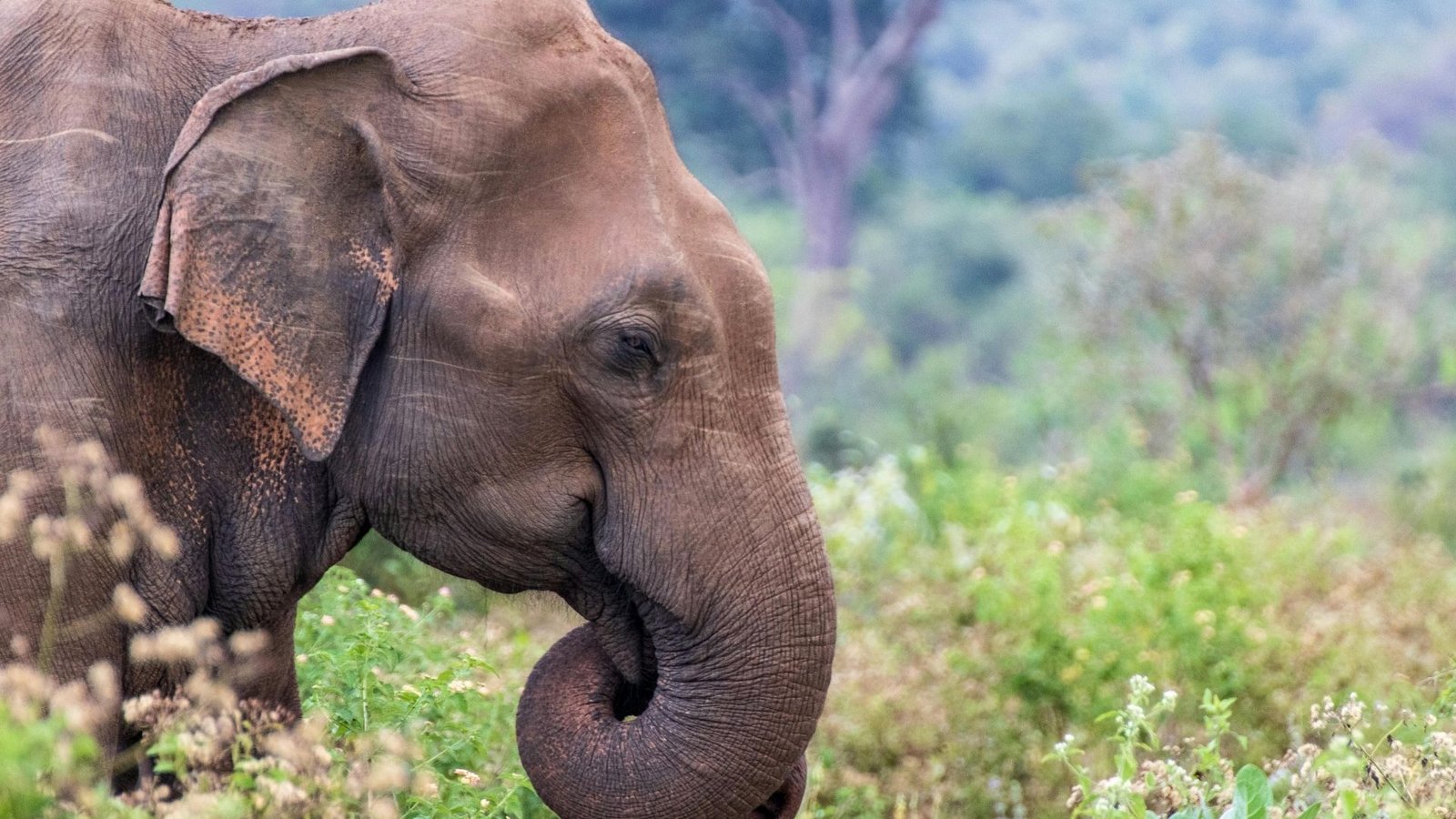
For a relatively small island, Sri Lanka boasts an impressive diversity of wildlife. From elusive leopards to huge herds of elephants and vibrant birds, its national parks offer thrilling encounters with animals in their natural habitats. This guide focuses on three of the most iconic parks: Yala, Udawalawe and Minneriya. You’ll learn when to visit, what animals you might see, how to plan your trip and how to be a responsible visitor.
Understanding Sri Lanka’s National Parks
Sri Lanka has over twenty national parks, each protecting a different landscape. They range from dry-zone scrub forests to wet-zone rainforests, grasslands and mangroves. The protected areas were established to conserve wildlife and their habitats, but they also provide opportunities for visitors to experience nature. Entrance fees help fund conservation efforts, while regulated access aims to limit human impact. Because the island experiences two monsoons, the conditions in each park vary throughout the year. When planning a safari, it’s important to understand both the climate and the unique character of each park.
Yala National Park: Land of Leopards
Situated on the south‑east coast, Yala National Park is Sri Lanka’s most visited wildlife reserve. It covers over 1,200 square kilometres and is divided into five blocks. Block I is the most accessible and popular because it has the highest concentration of leopards in the country. The park’s mosaic of scrub, grassland, wetlands and rocky outcrops creates an ideal habitat for these big cats. Leopard sightings are not guaranteed, but Yala offers one of the best chances in Asia. Early morning and late afternoon are the best times to see them, as they rest in the heat of the day.
Beyond leopards, Yala shelters a variety of wildlife. You may spot Asian elephants moving in small herds, sloth bears foraging for berries, crocodiles basking by waterholes and jackals trotting through the bush. The park is home to over 200 bird species, including colourful bee‑eaters, painted storks and large raptors. On coastal drives you might glimpse saltwater crocodiles and sea turtles. The dry season from May to August is particularly good for wildlife viewing because animals gather around shrinking water sources. Note that Yala often closes for a few weeks in September to allow park recovery.
To visit Yala, you must join a safari in a 4×4 jeep driven by a licensed guide. There are morning and afternoon drives; full‑day safaris are also possible but can be tiring due to the heat. The number of vehicles allowed in certain zones is limited, so booking in advance is recommended. Respect the park rules: do not leave vehicles, feed animals or make loud noises. Your guide will know the best spots and help interpret animal behaviour, enhancing your experience.
Udawalawe National Park: Haven for Elephants
Udawalawe National Park was established in 1972 to provide a sanctuary for wildlife displaced by the construction of the Udawalawe Reservoir. It spans roughly 300 square kilometres of open grassland, shrub forest and marsh. Its open terrain makes wildlife easy to spot; it is particularly famous for elephants. More than 600 elephants live in the park, often seen in herds grazing near waterholes or wandering through the plains. Unlike Yala, where elephants are scattered, Udawalawe’s gentle giants are the star attraction and almost guaranteed to be seen.
Other animals include water buffalo, spotted deer, sambar, jackals, mongoose and an impressive array of birds. Raptors such as the changeable hawk‑eagle and serpent eagle soar overhead, while bee‑eaters and kingfishers add flashes of colour. The park’s grasslands allow you to watch animals at a distance without dense vegetation blocking the view. Early morning and late afternoon safaris offer the best light and the most active wildlife. The dry season from May to September provides the most consistent sightings because animals gather near remaining water.
Safaris in Udawalawe follow a similar pattern to those in Yala: you will ride in a jeep with a driver and sometimes a tracker. Tours last two to four hours and can be arranged on arrival or through your accommodation. While you can book a shared jeep, hiring a private jeep gives you more flexibility to stop when you like. Most lodges near the park can arrange drives, and some offer ethical experiences that include visits to the nearby Elephant Transit Home, where orphaned elephants are rehabilitated before being released back into the wild. If you visit the transit home, remain quiet and avoid touching the calves.
Minneriya and the Elephant Gathering
Minneriya National Park lies in the north‑central province, forming part of the Cultural Triangle. Its main feature is the ancient Minneriya Tank, a man‑made reservoir that dates back nearly 1,700 years. During the dry season from August to October, water sources in the surrounding region shrink and elephants from neighbouring forests migrate to the tank’s grassy edges to feed and drink. This phenomenon, known as the Elephant Gathering, is considered one of Asia’s greatest wildlife spectacles. It is common to see hundreds of elephants at once—large herds of females and calves, young bulls play‑fighting and older males standing apart.
The gathering is most reliable at the height of the dry season, but elephants can be seen in the park year‑round. If you visit outside peak months, you may see smaller herds or individuals but will still enjoy the park’s tranquil landscape of grassland, scrub and forest. Other wildlife includes toque macaques, sambar deer and many bird species. Because Minneriya is close to Kaudulla National Park, some safari operators choose the park that offers the best sightings on a given day. Guides share information on where herds have been seen recently to maximise your chances.
Safaris in Minneriya typically depart in the afternoon when elephants move toward the tank. Drives last around three hours. As always, remain in the jeep, keep noise down and follow your guide’s instructions. Respectful viewing ensures the animals remain relaxed and unaffected by human presence. If you travel during the gathering, expect more vehicles and plan to arrive early to secure a spot. Some travellers combine Minneriya with visits to nearby heritage sites like Sigiriya and Polonnaruwa, making for a varied cultural and nature itinerary.
Other Noteworthy Parks
While Yala, Udawalawe and Minneriya are among the most popular, Sri Lanka’s other parks offer unique experiences. Wilpattu National Park in the north‑west is the largest on the island and is known for its “villus”—natural lakes that dot the landscape. It is one of the best places to see sloth bears and has a healthy leopard population. Because Wilpattu is less visited than Yala, safaris feel wilder and quieter.
Wasgamuwa National Park is home to elephants, sloth bears and birds; it lies between the Knuckles Mountains and the Mahaweli River. Bundala National Park, near Yala, is an important wetland for migratory birds, including flamingos, and hosts crocodiles and elephants. Gal Oya National Park offers boat safaris on Senanayake Samudra Reservoir, where you might see elephants swimming between islands. If you have time, exploring these lesser‑known parks can provide a broader understanding of Sri Lanka’s varied ecosystems.
Choosing the Right Safari
Planning a safari involves more than picking a park. Consider your interests, the time of year and your travel route. Here are some tips to help you decide:
- Time of year: Visit Yala and Udawalawe during the dry season (May–September) for better sightings. Plan trips to Minneriya between August and October to witness the Elephant Gathering.
- Animal interests: Choose Yala for leopard sightings, Udawalawe for elephants and Minneriya for large herds. Birdwatchers may prefer Bundala or Wilpattu.
- Itinerary fit: If you’re exploring the Cultural Triangle, Minneriya is conveniently located. For travellers heading from the south coast to the highlands, Udawalawe is a natural stop. Yala pairs well with beach towns like Mirissa and Tangalle.
- Budget and time: Full‑day safaris cost more but increase chances of varied sightings. Shorter drives are more affordable and may be sufficient if you focus on a specific animal.
- Private vs shared: A private jeep allows flexibility but costs more. Shared jeeps reduce expenses and can be sociable, though they may not stop as often.
Book safaris through your accommodation or reputable tour companies. Confirm what is included (entrance fees, guide, water) and clarify pickup times. Ask about maximum passenger numbers and whether the driver speaks English. Many travellers choose to tip guides and drivers for good service; tips are not compulsory but appreciated.
Responsible Safari Tourism
Watching wildlife responsibly is essential to preserving Sri Lanka’s natural heritage. The increasing popularity of safaris brings challenges, such as overcrowded vehicles, off‑road driving and disruptive behaviour. Help minimise impact by adhering to these guidelines:
- Stay in your vehicle at all times unless your guide specifically permits you to exit in designated areas.
- Keep noise levels low. Loud talking, music or shouting can disturb animals and annoy other visitors.
- Never feed wildlife. Human food can make animals ill and encourage aggressive behaviour.
- Avoid littering. Pack out everything you bring into the park and dispose of waste properly after your safari.
- Respect speed limits and stick to designated tracks. Off‑road driving damages vegetation and creates erosion.
- Choose operators who support conservation, follow park rules and employ local guides.
If you witness unethical practices, such as a driver harassing animals or leaving the road to cut off a leopard, speak up or report the incident to park authorities. By supporting responsible tourism, you help protect the wildlife and ensure that future visitors can enjoy the same experience.
Combining Safaris with Other Activities
A safari need not be a standalone experience. Sri Lanka’s small size makes it easy to combine wildlife viewing with cultural and coastal attractions. Here are a few ideas for integrating safaris into your itinerary:
- Yala and the south coast: After a morning safari, spend the afternoon relaxing on the beaches of Tangalle, Mirissa or Hiriketiya. Visit the historic Galle Fort or take a boat trip on the nearby lagoon.
- Udawalawe and the highlands: En route from the south to Ella or Nuwara Eliya, stop for an Udawalawe safari. Afterward, ride the scenic train to the highlands or tour a tea plantation.
- Minneriya and the Cultural Triangle: Pair an elephant gathering with visits to ancient sites like Polonnaruwa, Sigiriya or Dambulla. Stay in Sigiriya or Habarana to explore both heritage and wildlife.
- Lesser‑known parks and off‑the‑beaten‑track adventures: For repeat visitors, combine a visit to Wilpattu or Gal Oya with birding at Bundala or trekking in the Knuckles Range.
These combinations offer balance and variety. They also spread tourism benefits across different regions, supporting local economies and encouraging investment in conservation.
Conclusion
From leopard‑filled scrublands to elephant‑rich grasslands and tranquil reservoirs, Sri Lanka’s national parks promise unforgettable wildlife experiences. Yala, Udawalawe and Minneriya stand out for their unique attractions: leopards, large elephant herds and seasonal gatherings. By choosing the right season, respecting park rules, supporting responsible operators and integrating safaris into a broader itinerary, you can enjoy close encounters with some of Asia’s most iconic animals while contributing to their protection. Sri Lanka’s wildlife is precious; treat it with care, and it will reward you with memories that last a lifetime.