
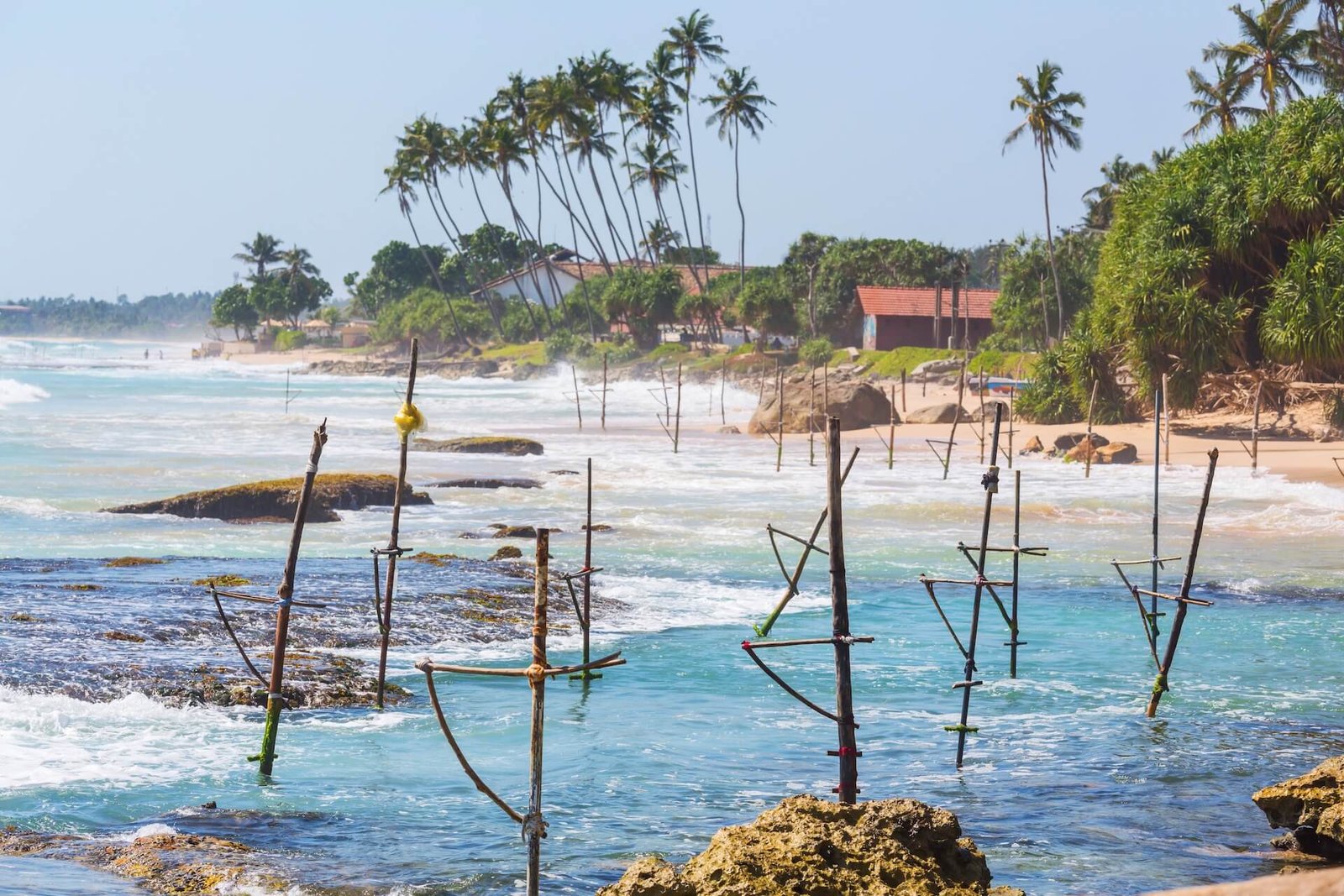
Sri Lanka is blessed with more than 1,300 kilometres of coastline. Each stretch of sand offers its own mood—some are lively with surf schools and beach bars, while others are hidden coves where the only sound is the surf. Whether you are a surfer, snorkeller, sun‑seeker or someone who just enjoys a lazy walk along the shore, Sri Lanka has a beach for you. This guide introduces the island’s standout beaches, explains what makes each unique and offers practical tips to help you plan your seaside getaway.
Mirissa: Surf, Snorkel & Whale Watching
Mirissa sits on the south coast and is often described as one of the prettiest beaches in Sri Lanka. Its curved bay of golden sand is lined with palm trees, cafés and guesthouses. The waves here are suitable for beginner to intermediate surfers, and several surf schools operate along the beach. Early in the morning, local fishermen push their boats out to sea, and in the afternoon the pace slows as travellers relax with a coconut or fresh juice.
During the dry season from November to April, Mirissa is also a base for whale watching. Tours depart early in the morning and head a few miles offshore, where blue whales, sperm whales and pods of dolphins are often sighted. Many operators offer half‑day trips, and it is important to choose a responsible company that keeps a safe distance from the animals and limits passenger numbers. On land, climb Parrot Rock, a small outcrop at the east end of the beach, for sunset views.
Tips for Mirissa
- Best time to visit: November to April for dry weather and whale watching.
- Facilities: Surf schools, snorkelling gear rental, beach bars and restaurants.
- Nearby attractions: Secret Beach, Coconut Tree Hill and Weligama Bay.
- Accommodation: Choose from guesthouses, mid‑range hotels and a few upscale resorts.
Unawatuna: A Laid‑Back Lifestyle
Unawatuna is another popular beach on the south coast, near the city of Galle. It has a banana‑shaped curve of soft sand and calm turquoise water protected by a reef. This makes it ideal for swimming and snorkelling. The village behind the beach is relaxed, with small shops, cafés and beach bars. You can rent a sun lounger for the day or simply lay out a towel under a palm tree. In the evening, locals and visitors gather at the bars for happy hour drinks and casual dining.
For more adventure, book a snorkelling tour to nearby coral reefs or take a short tuk‑tuk ride to jungle beaches like Dalawella and Wijaya. On Dalawella’s shore, you will find a famous rope swing hanging from a leaning palm tree. If you prefer a quiet corner, walk to the west end of Unawatuna where fewer people gather. Food options range from fresh seafood cooked over charcoal to international favourites.
Tips for Unawatuna
- Best time to visit: November to April for calm seas.
- Facilities: Plenty of cafés, restaurants, dive centres and souvenir shops.
- Activities: Swimming, snorkelling, boat trips to coral reefs and yoga classes.
- Accommodation: Guesthouses, boutique hotels and budget hostels.
Arugam Bay: The Surfer’s Paradise
Arugam Bay lies on the southeast coast and is renowned for surfing. The bay has consistent breaks that attract surfers from around the world. The season runs from April to October, when the waves are at their best. The main point break, known simply as “Main Point,” delivers long rides for experienced surfers. There are also smaller breaks such as “Baby Point” suitable for beginners. Surf schools and board rentals are widely available.
Off the water, Arugam Bay has a chilled‑out atmosphere with beach bars, guesthouses and restaurants serving fresh seafood. During the surf season, the town hosts competitions and parties. The nearby Pottuvil Lagoon offers kayaking and birdwatching, while the surrounding countryside is dotted with ancient temples and rock formations. In the off‑season, the bay is much quieter, making it a good choice for those seeking solitude.
Tips for Arugam Bay
- Best time to visit: April to October for surf; off‑season for a quieter stay.
- Facilities: Surf schools, board rentals, cafés and bars.
- Activities: Surfing, yoga, lagoon tours and cultural visits to temples.
- Accommodation: Beach huts, budget hotels and a few upscale options.
Nilaveli: Marine Life and Quiet Shores
On the northeast coast near Trincomalee, Nilaveli offers a long stretch of pale sand with calm, shallow water. It remains less developed than the southern beaches, making it a good choice for travellers seeking tranquillity. The nearby Pigeon Island National Park is a highlight. Boats take visitors to this small island just off the coast, where you can snorkel among colourful coral reefs and swim with green sea turtles and reef fish. The park is a protected marine sanctuary, so follow guidelines to avoid damaging the coral.
Nilaveli itself has a handful of guesthouses and beach resorts. You will find a few local restaurants serving seafood curries and kottu roti. At sunset the beach takes on a golden hue, and fishermen return with their daily catch. The atmosphere is peaceful, far from the crowds of the south.
Tips for Nilaveli
- Best time to visit: May to October when seas are calm and Pigeon Island tours operate.
- Facilities: Limited restaurants and shops; it’s best to bring essentials.
- Activities: Snorkelling, diving, swimming and boat trips to Pigeon Island.
- Accommodation: Small resorts and guesthouses; book ahead in peak season.
Hiriketiya: Surf and Sociable Vibes
Hiriketiya is a horseshoe‑shaped bay on the south coast. Once a quiet fishing village, it has grown popular among surfers and travellers looking for a sociable atmosphere. The waves suit both beginners and intermediates, and boards can be rented from surf shacks on the beach. Cafés serve smoothie bowls, coffee and western favourites alongside local dishes. At night, small bars fill with laughter and live music.
The nearby village of Dikwella offers accommodations for different budgets. When you need a break from surfing, you can explore rock pools at low tide or take a yoga class. Because the bay is small, it can get crowded during peak months. The community encourages sustainable tourism, so visitors are asked to respect the local environment and support local businesses.
Tips for Hiriketiya
- Best time to visit: November to April for surfing and sunshine.
- Facilities: Surf board rentals, cafés, bars and yoga classes.
- Activities: Surfing, swimming, yoga and relaxed dining.
- Accommodation: Guesthouses, hostels and boutique retreats.
Bentota: Luxury and Water Sports
Bentota sits halfway between Colombo and Galle on the west coast. It is known for its broad, golden beach backed by a line of luxury resorts. Bentota attracts travellers seeking relaxation and upscale amenities. The calm seas are ideal for swimming during the dry season from December to March. The Bentota River flows into the ocean at the town’s northern end, creating opportunities for boating and water sports such as jet skiing, wakeboarding and banana boat rides.
Day trips from Bentota include boat safaris along the river, where you can spot mangroves, monitor lizards and birds. Turtle hatcheries nearby allow visitors to learn about conservation efforts and, at certain times, help release baby turtles into the sea. The town of Aluthgama nearby has a local market where you can browse for spices, textiles and souvenirs.
Tips for Bentota
- Best time to visit: December to March for sunny weather and calm sea.
- Facilities: Resorts, restaurants, water sports providers and river safaris.
- Activities: Swimming, water sports, river cruises and turtle conservatories.
- Accommodation: Primarily mid‑range and luxury hotels with beachfront access.
Passikudah: Shallow Waters and Coral Reefs
Passikudah on the east coast is famous for its shallow bay, where you can wade far into the ocean before the water reaches your waist. This makes it one of the safest beaches for families and non‑swimmers. A coral reef shelters the bay, providing calm conditions for swimming and snorkelling. Colourful fish and small coral formations lie close to the surface, making it an accessible snorkelling spot for beginners.
The resort strip behind the beach offers several hotels and restaurants. While development has increased in recent years, the area remains less hectic than the southern beaches. If you crave a quiet escape with warm, shallow water, Passikudah is a great choice.
Tips for Passikudah
- Best time to visit: May to October when the sea is calm.
- Facilities: Resorts, restaurants and snorkelling gear rental.
- Activities: Swimming, snorkelling and leisurely walks along the shore.
- Accommodation: Primarily mid‑range resorts with direct beach access.
Hikkaduwa: Snorkelling and Coral Gardens
Hikkaduwa, near Galle on the south‑west coast, was one of the first surf and diving destinations in Sri Lanka. A coral reef close to shore makes it a popular place to snorkel. You can take glass‑bottom boat trips or rent snorkelling gear to view schools of tropical fish, sea turtles and colourful corals. The reef forms part of Hikkaduwa National Park, which protects the marine environment.
On land, the town buzzes with restaurants, bars and shops. Surfers will find waves at the main beach, while calm spots further north suit swimmers. You can also visit the nearby Gangarama Maha Vihara, a temple with a hand‑painted interior and large Buddha statue. If you want to experience marine life up close without diving deep, Hikkaduwa is a good option.
Tips for Hikkaduwa
- Best time to visit: November to April for snorkelling and surfing.
- Facilities: Dive centres, snorkelling rentals, restaurants and nightlife.
- Activities: Snorkelling, surfing, glass‑bottom boat rides and temple visits.
- Accommodation: A mix of budget hostels, guesthouses and mid‑range hotels.
Goyambokka and Off‑the‑Beaten‑Track Beaches
If you prefer quiet shores, consider lesser‑known beaches like Goyambokka near Tangalle. This cove has a rugged shoreline with rocks acting as a natural breakwater, making it safe for swimming when seas are calm. Facilities are minimal, with a few sun beds and small cafés. Neighbouring beaches, such as Silent Beach and Hiriketiya, are also worth exploring.
Further north, Kalpitiya on the north‑west coast offers long stretches of sand and strong winds ideal for kite surfing. The area consists of 14 islands and is known for dolphin watching and its proximity to Wilpattu National Park. Development is limited, so accommodation ranges from eco‑lodges to small guesthouses. The Bar Reef Marine Sanctuary nearby is rich in marine life.
Planning Your Beach Itinerary
When planning a beach holiday in Sri Lanka, consider the monsoon patterns. The south and west coasts are ideal from November to April, while the east and north coasts are best from May to October. Combine beach time with inland adventures like safaris, cultural sites and tea country excursions. Many travellers choose to start or end their trip at the beach to unwind.
Travel between beaches is relatively straightforward. Buses and trains connect major coastal towns, though they can be crowded. Hiring a private driver provides comfort and flexibility, especially if you plan to visit multiple regions. Domestic flights operate between Colombo and Batticaloa, making it easier to reach eastern beaches without long road trips.
Conclusion
Sri Lanka’s beaches are as diverse as the island itself. From the surf breaks of Arugam Bay to the coral gardens of Hikkaduwa, the luxury resorts of Bentota to the quiet sands of Nilaveli, each offers a unique experience. When you know the best time to visit and what activities each beach offers, you can craft your perfect coastal itinerary. Pack your swimsuit, sunscreen and a sense of adventure, and let the waves and warm sand of Sri Lanka rejuvenate you.